5 Common Small Business Mistakes You Should Avoid
Are you unintentionally wasting money in your business? A staggering 60% of small businesses fail within the first five years, and a large part of that failure comes down to poor financial management.
According to Forbes, one of the main reasons small businesses struggle is due to spending money in areas that don’t contribute to growth. Too often, entrepreneurs overestimate the value of certain investments, leading to overspending and missed opportunities for efficiency.
In this blog, we’ll break down five small business mistakes to provide you with actionable budgeting tips to help you save and grow. Understanding where your money is going and how to better manage it is crucial for staying afloat in today’s competitive business environment.
5 Ways Small Business Owners Waste Their Money
Is your customer always on your mind? The same is with us. We are always curious about what our customers want, what they like, what’s eating them, what their needs are, and so on.
During some of our conversations, we realized that small business owners shared how they end up wasting money. Apart from helping them out with their financial management, we created a list of money-wasters. Let’s check them out.
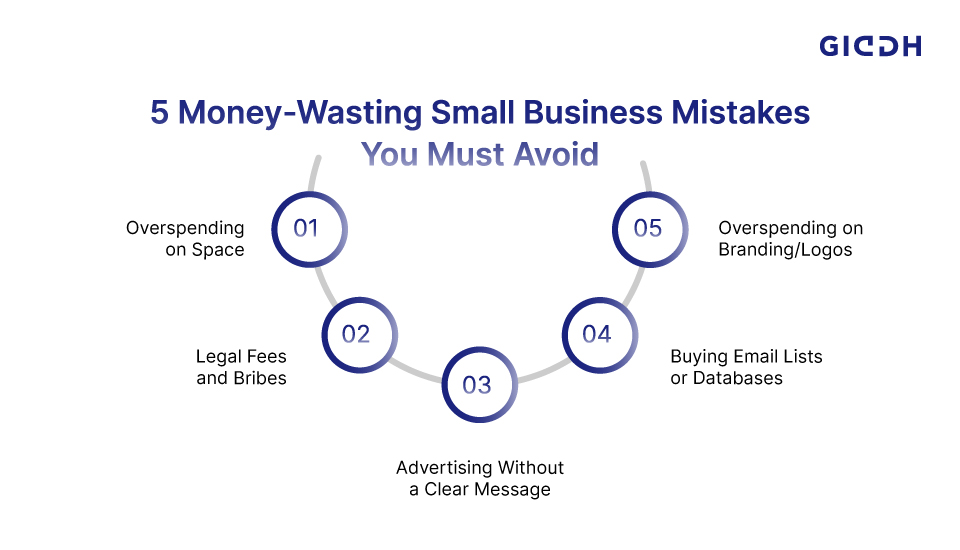
Overspending on Space
Educated businessmen and naive new entrepreneurs often overbuild, overpay or overspend on buildings, storefronts, rent, lease or renovations, fixtures and signage.
Can you find some space to work at home to start with? Or opt for co-working if you have a team size of 15? Is there a way to hire freelancers who work from home anyway?
There can be several ways to get your business working without spending a lot on physical space. Yes, it is important but getting your product rolling is all the more.
Why Overspending on Office Space Is a Major Money Mistake
One of the most common mistakes small business owners make is sinking too much money into physical office space or storefronts. As a startup, the allure of a fancy office or retail space can feel like an important milestone, but it’s an easy way to burn through your budget faster than expected.
In the early days, most businesses can thrive with remote work setups, co-working spaces, or even home offices. In fact, 71% of small businesses now use co-working spaces, which offer flexibility and cost-effectiveness. Why pay for a long-term lease when you can save on overhead costs and use the funds to reinvest in your product or service?
Actionable Tip:
Before signing any lease, consider alternatives like co-working spaces or working from home for the first few years. Focus on refining your product and building your customer base before committing to high rent payments.
Legal Fees and Bribes
Startups or new business owners start out with hiring lawyers and end up paying a hefty amount on just the incorporation of their business. Simply consulting another startup founder in the space, talking to seniors or peers would get you the basic idea of legal paperwork.
Hire an experienced accountant and invest on a good accounting software to save some of his time and he would be happy to help you with legal paperwork. Similarly, this is specially true in India where entrepreneurs think there’s no other way to get by without bribe.
Do not waste money in bribing babus in government offices. You are ethically promoting a wrong business culture and creating a bribe habit for future entrepreneurs. On the other hand, you are wasting money over registration paper work that the offices are supposed to do anyway. Be firm and refrain from bribes.
Avoid Costly Legal Mistakes and Bribes
For many entrepreneurs, the legal aspect of starting a business can be overwhelming. The pressure to hire expensive lawyers or pay off bureaucrats to speed up the process can quickly drain your funds. While it’s essential to have your paperwork in order, it’s possible to handle much of the legal work without overpaying.
Instead of hiring a pricey lawyer for incorporation, look into affordable options like online legal services or seek advice from other startup founders who have been through the process. In countries like India, bribing government officials to expedite paperwork can seem like a norm, but it is both unethical and costly.
Actionable Tip:
Do thorough research and consider using accounting software for managing basic legal paperwork. A skilled accountant can save you a significant amount of money by assisting with registrations and GST tax filings, ensuring you don’t fall victim to excessive legal fees.
Advertising Without a Clear Message
Startup owners think choosing the right advertising medium and producing an attractive ad will get them business. False. It would get you a lot of attention and empty pockets but not necessarily business.
Unless your product message and its USP are not correctly spelled out, do no spend on advertising. Such mindless ads eat up a lot of your money with zero ROI. Carry out good research about your customer demographic first, spell out correctly the pain point you are solving, list down the USPs of your product and then create a clear message.
Try the message out for free on social media pages and see how it does before shelling out money on an advertising campaign. Also, choose advertising media that can be measured.
Stop Wasting Money on Ads Without a Clear Message
When business owners jump into advertising, it’s often tempting to choose the most visually striking campaign or the most popular platform. But without a clear product message, all that advertising money can go to waste. A beautiful ad won’t convert if it doesn’t address your customer’s pain points or communicate your unique value proposition (USP).
Instead, conduct thorough research on your target audience, craft a compelling message, and test it on social media before investing in costly ad campaigns. Focusing on testing and optimization can save you hundreds of dollars while ensuring your ads perform better in the long run.
Actionable Tip:
Before paying for advertising, test your message on social media for free. Monitor the response, adjust accordingly, and use that feedback to create more targeted ad campaigns that resonate with your audience.
Buying Email Lists or Databases
Another money waster that almost never fetches great ROI is the practice of buying emailing list or data bases.
Small business owners must avoid the temptation of buying emailing lists before testing out their product for at least 6 months. Initially, following people up vial Linked-in contacts, personal meetings, small gathering, Skype appointments can be done to reach out.
There’s no way to test out the efficiency of a bought database unless you buy it. And more often than not, it turns out to be inefficient.
Why Buying Email Lists Can Drain Your Budget
Buying email lists is a tempting shortcut to rapidly growing your contact list, but it’s a dangerous game. Purchased lists often result in low engagement and poor ROI. Many of these lists contain outdated information, irrelevant contacts, or users who have never heard of your brand.
Instead of investing in email lists, focus on building your database organically. Engage with potential customers through personal networking, social media, or small gatherings. Create valuable content, such as blog posts or webinars, to attract a loyal following that is genuinely interested in what you offer.
Actionable Tip:
Rather than spending money on email lists, grow your customer base by connecting through LinkedIn, personal outreach, or community engagement. This organic approach yields far better results than any bought list.
Overspending on Branding/Logos
A meaningful logo takes a lot of thinking, not money.
Similarly, your branding would be best created by your earliest customers. Based on their feedback, misses and fails, you will know what kind of brand personality works for you. Small business owners waste way too much money on hiring people to create some jazzy logos and fancy branding material. Cut this crap at the earliest and save that money in real-time marketing.
The Truth About Overspending on Logos and Branding
In the early stages of a business, it’s easy to get caught up in creating a flashy logo or spending too much on a branding agency. While brand identity is important, the truth is that you don’t need a polished logo to succeed. In fact, many successful businesses evolve their branding based on customer feedback, not what looks visually appealing.
Your brand’s personality should reflect the experience and trust you build with your customers, not the amount of money you’ve spent on design. Investing in flashy branding may give the impression of professionalism, but it’s your product and customer service that truly define your business.
Actionable Tip:
Allow your brand to develop organically. Listen to your customers, gather feedback, and use that to shape your business identity. Don't waste money on expensive design services; invest in marketing that directly connects with your audience.
How Giddh Helps Small Business Owners Manage Their Finances
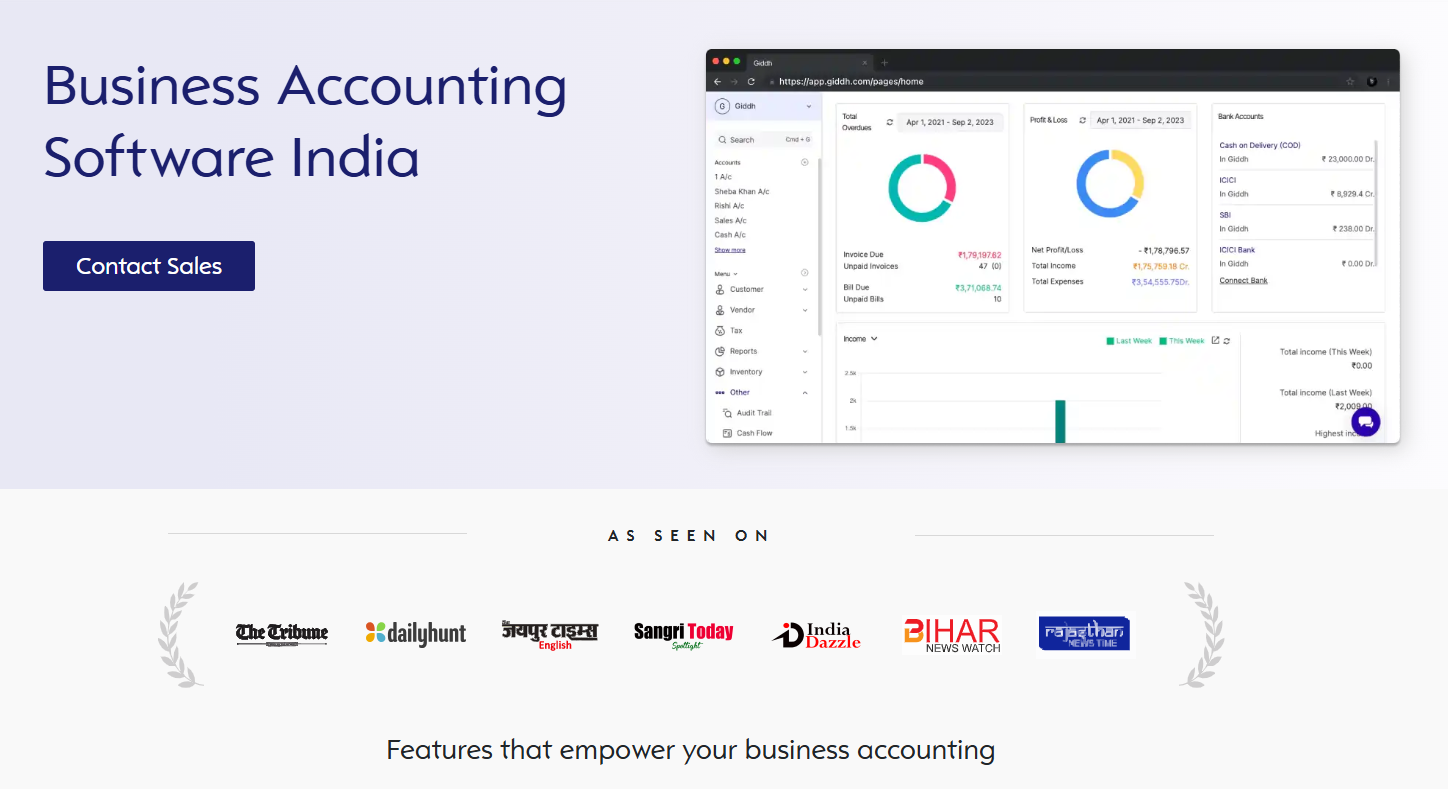
When it comes to managing finances, Giddh offers an efficient solution for small business owners. Giddh’s easy-to-use expense tracking and financial reporting tools can help you avoid many of the money-wasting mistakes highlighted in this blog.
With features like tax preparation and expense categorization, you can ensure that your finances are organized and your budgeting is on track.
Actionable Tip:
Start using tools like Giddh for a seamless bookkeeping solution and efficient expense management. Stay on top of your finances and prevent unnecessary financial drains, allowing you to focus on growing your business.

Conclusion
Understanding where your money is going and making smarter decisions is crucial for your business’s longevity. By avoiding common money-wasting mistakes like overspending on space, unnecessary legal fees, and flashy branding, you’ll have more resources to reinvest in the growth of your business. Implementing small business budgeting tips and using tools like Giddh for financial management will help you stay on track and make informed decisions.
If you’ve made any of these mistakes, it’s not too late to turn things around. Start a free trial and prioritize cost-effective strategies that will enable you to grow your business sustainably. And if you need help managing your finances, don’t hesitate to reach out.
FAQs
What are the 8 disadvantages of small businesses?
Some disadvantages include limited resources, lack of market presence, difficulty in securing financing, and vulnerability to economic downturns.
What are the 4 major causes of small business failure?
Common causes include inadequate cash flow, poor marketing, mismanagement of resources, and inability to adapt to market changes.
What do people waste money on the most in business?
People often waste money on unnecessary office space, excessive legal fees, poorly executed advertising campaigns, and branding that doesn't resonate with customers.
What are the 10 challenges faced by small businesses?
Key challenges include managing cash flow, attracting customers, maintaining staff, navigating regulations, and keeping up with technological advancements.
What are the 7 types of business risk?
These include financial risk, strategic risk, compliance risk, operational risk, reputational risk, technological risk, and market risk.
What are the top 5 problems in India’s small business sector?
Common issues include access to funding, regulatory complexities, infrastructure challenges, competition from larger companies, and workforce skill gaps.

 Download
  Download