20+ Cloud Based Inventory Management Software In India 2026
On a global scale, the demand is even stronger, with the cloud accounting software market reaching approximately USD 26.08 billion in 2025 Yet many Indian SMBs still rely on spreadsheets or disconnected systems to track stock — a process that often leads to stock mismatches, delayed orders, and unnecessary holding costs.
If you’re running a retail, manufacturing, or e-commerce business, you’ve likely faced this problem: popular items run out unexpectedly while slow-moving stock piles up in the warehouse.
That’s exactly why businesses are adopting cloud based inventory management software. These modern systems provide real-time stock visibility, automation, and seamless integration with accounting and sales tools.
In this guide, we’ll explore the top cloud based inventory management software in India, the key features to look for, and how the right platform can help you reduce inventory errors, control costs, and scale operations smoothly.
What is Cloud-Based Inventory Management Software?
Cloud-based inventory management software is an advanced solution that allows businesses to track, manage, and automate inventory processes in real-time, all while being accessible from anywhere with an internet connection.
By leveraging the power of the cloud, this type of software automates manual inventory tasks like stock tracking, order fulfillment, and data entry, making the entire process more efficient, accurate, and scalable. Businesses can access inventory data anytime, anywhere, and make data-driven decisions faster.
Key capabilities include:
-
Real-time tracking of inventory levels and stock movements
-
Automation of tasks such as reordering and stock alerts
-
Integration with other business systems, like POS or ERP solutions
Benefits of Cloud-Based Solutions for SMBs
1. Real-Time Data & Accessibility
With cloud-based inventory management, businesses gain instant access to real-time data on stock levels, sales performance, and order statuses. This eliminates delays in decision-making and provides up-to-date insights to avoid stockouts or overstocking.
2. Cost Efficiency & Flexibility
Traditional inventory systems can be expensive to maintain, requiring costly hardware and frequent upgrades. Cloud-based solutions reduce these costs by providing subscription-based pricing models, with no need for extensive hardware investments. Plus, you only pay for what you need, allowing for greater cost control.
3. Easy Integration with Other Systems
A major benefit of cloud-based inventory systems is their ability to integrate seamlessly with other essential business systems, such as:
-
ERP (Enterprise Resource Planning)
-
POS (Point of Sale)
-
Accounting software (e.g., QuickBooks, Tally)
These integrations streamline workflows across departments and help businesses maintain accurate and synchronized records.
1. Giddh
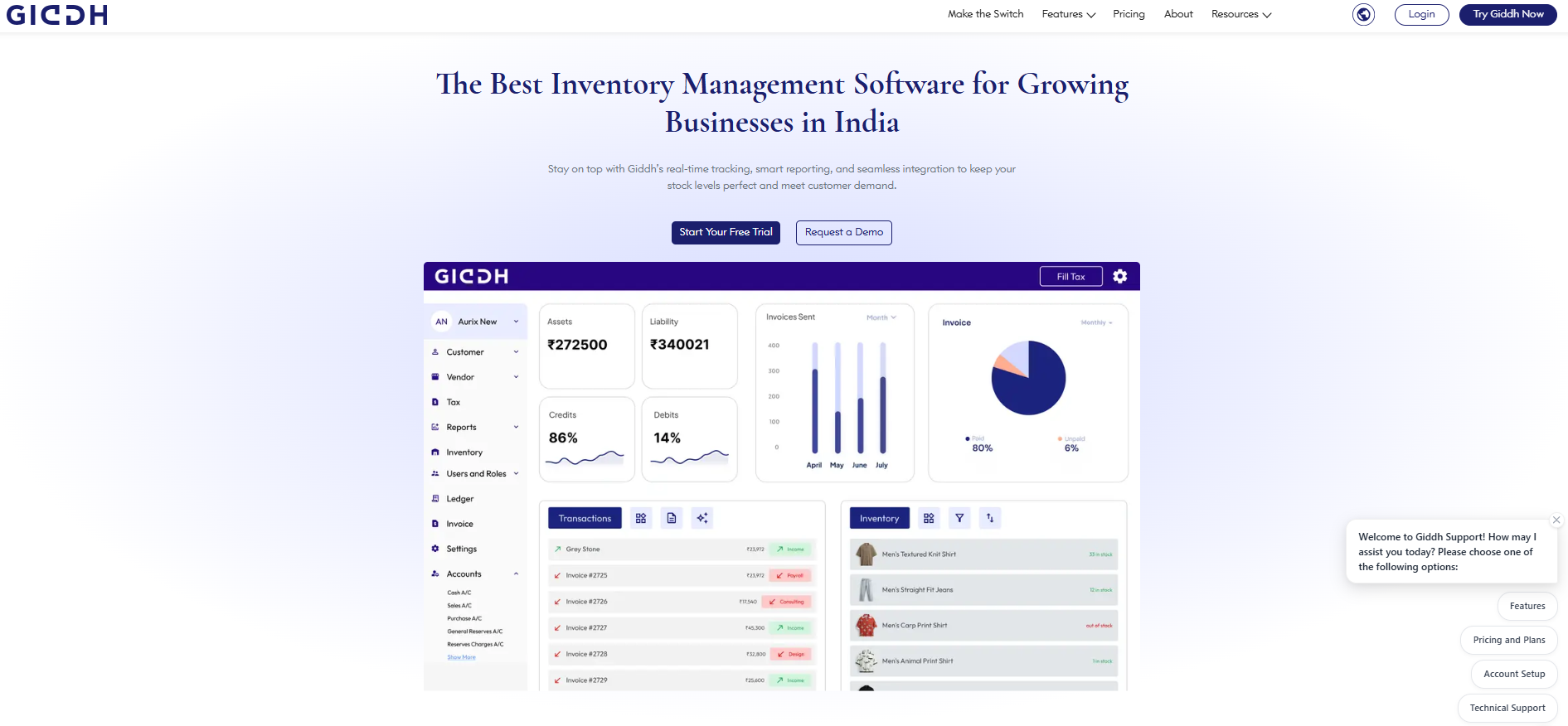
Giddh is an advanced cloud-based inventory and accounting management software that helps businesses streamline their inventory, automate operations, and access real-time data on stock levels.
Top Features:
-
Real-time tracking of inventory
-
Integration with accounting tools
-
Multi-location support
-
Automation (e.g., auto-replenishment, stock alerts)
-
GST-compliant
-
Bank reconciliation
-
Invoice management
-
Bookkeeping Solution
Pros:
-
Easy to use for Indian SMBs
-
Robust integration with accounting systems
-
Cloud-based, ensuring accessibility from anywhere
-
Affordable and scalable for small to medium-sized businesses
Cons:
-
Limited advanced analytics compared to larger enterprise solutions
-
Relatively basic in features for larger businesses
Other details:
-
Ledger-Based Accounting: Built on a traditional ledger system that makes accounting simple, accurate, and familiar for finance teams and accountants.
-
White-Label Option: Businesses and partners can customize the platform with their own branding, making it ideal for accounting firms and SaaS resellers.
-
Unlimited User Access: Add unlimited users without worrying about additional user-based pricing, making collaboration easier across teams.
-
Manage Over 100 Companies: Easily manage and track accounting and inventory for 100+ companies from a single dashboard, perfect for agencies and multi-business owners.
Best Fit For: Small to medium-sized businesses, especially Indian e-commerce and retail companies looking for seamless integration with accounting software.
2. Unicommerce
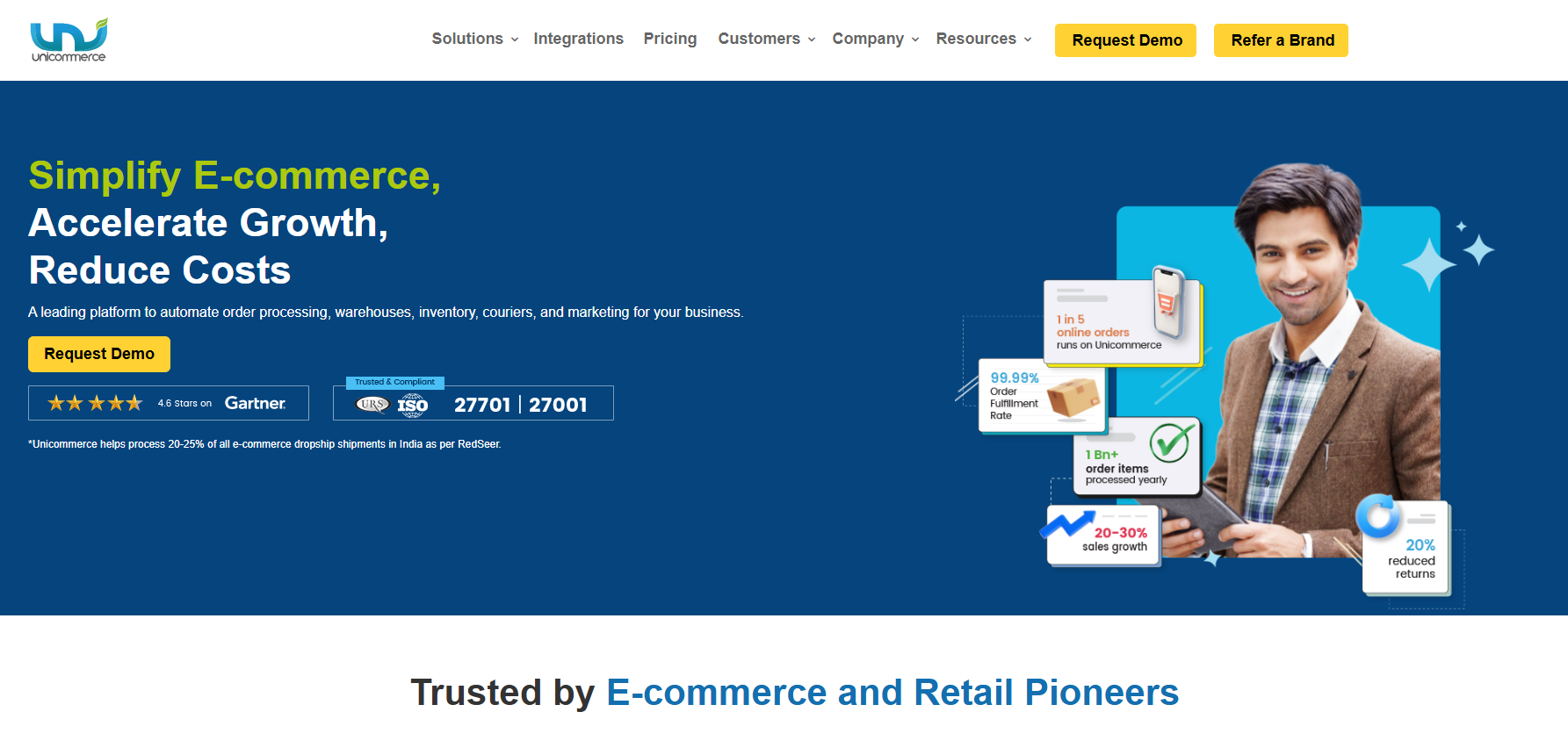
Unicommerce is a popular cloud-based inventory management system, especially known for its integration with e-commerce platforms and multi-channel inventory support.
Top Features:
-
Multi-channel inventory management
-
Order processing automation
-
Integration with e-commerce platforms like Shopify, Amazon, and Flipkart
-
Automated reporting and real-time stock updates
Pros:
-
Excellent for e-commerce businesses
-
Streamlined order processing
-
Great multi-channel support
-
Extensive integration options
Cons:
-
Can be expensive for small businesses
-
May have a steep learning curve for beginners
Best Fit For: E-commerce businesses and retailers with multi-channel sales operations.
3. Zoho Inventory
Zoho Inventory is an intuitive and user-friendly inventory management software, designed to simplify the process of managing inventory, orders, and sales.
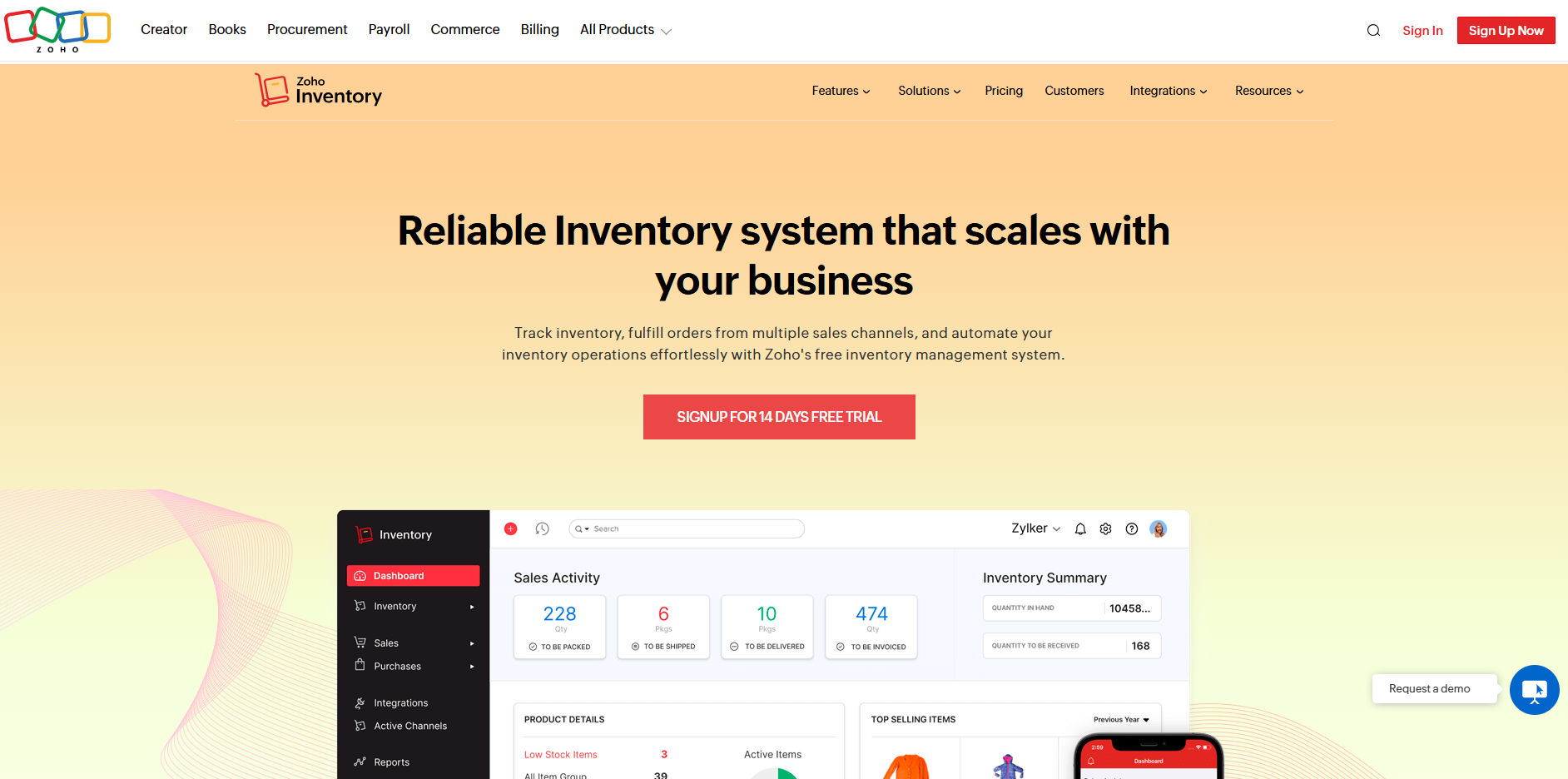
Top Features:
-
Integration with e-commerce platforms
-
Advanced stock tracking
-
Real-time updates
-
Order management and invoicing
-
Barcode scanning and SKU management
Pros:
-
Easy-to-use interface
-
Great for small businesses and startups
-
Strong integration with other Zoho applications (e.g., Zoho CRM)
-
Affordable pricing plans
Cons:
-
Limited customization options for larger businesses
-
Some users report limited reporting capabilities
Best Fit For: Small to medium-sized businesses, especially those already using Zoho's suite of applications.
4. TradeGecko Now (QuickBooks Commerce)
TradeGecko is a cloud-based inventory and order management platform that integrates seamlessly with QuickBooks accounting software.
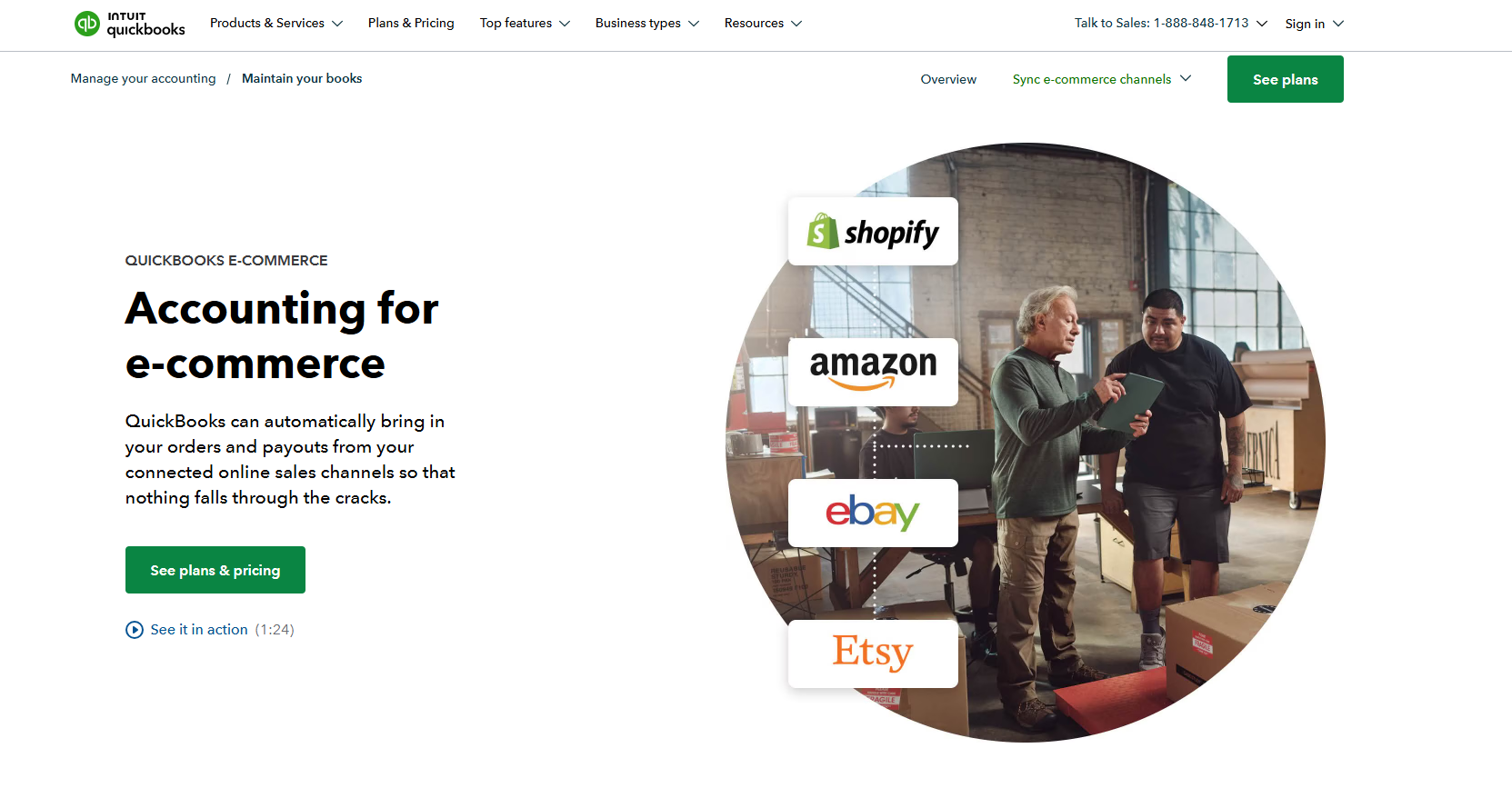
Top Features:
-
Multi-location inventory tracking
-
Automation of inventory replenishment
-
Integration with QuickBooks and other third-party apps
-
Order and sales management tools
Pros:
-
Excellent integration with QuickBooks
-
Streamlines the order fulfillment process
-
Intuitive interface
-
Strong customer support
Cons:
-
Higher pricing for small businesses
-
Lacks some advanced features in reporting
Other details:
- Best Fit For: Small to medium-sized businesses already using QuickBooks and in need of a comprehensive inventory management solution.
5. Cognilix
Cognilix offers end-to-end inventory management solutions, catering primarily to larger businesses in the retail and manufacturing sectors.
Top Features:
-
End-to-end inventory management
-
Real-time tracking and monitoring
-
Supplier management tools
-
Advanced reporting and analytics
Pros:
-
Excellent for large businesses with complex inventory needs
-
Robust reporting and analytics
-
Comprehensive features across multiple industries
Cons:
-
Expensive for small businesses
-
May have a steep learning curve
Best Fit For: Large businesses in the retail and manufacturing sectors.
6. inFlow Inventory
inFlow Inventory is a cloud-based inventory management solution tailored to small businesses, offering advanced features like barcode scanning and customizable reporting.
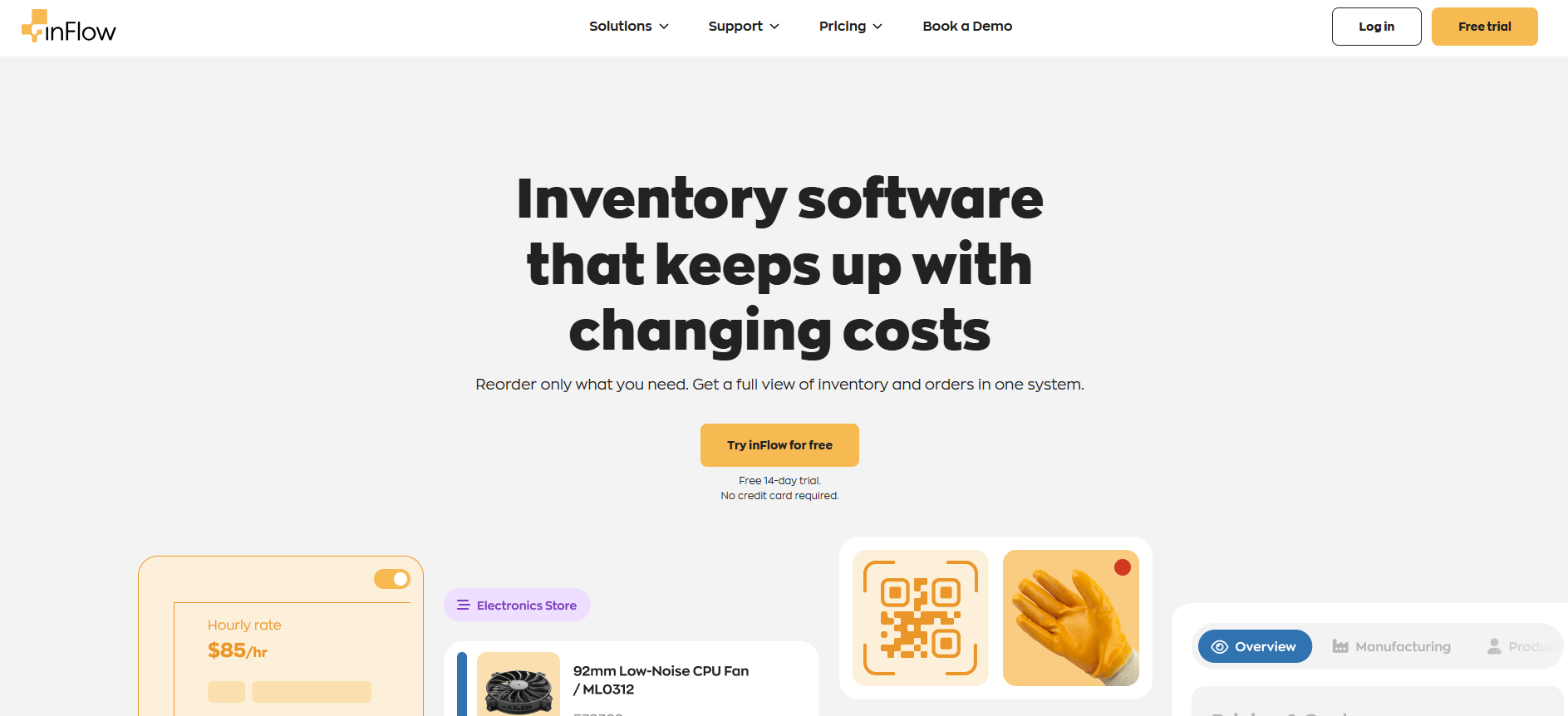
Top Features:
-
Customizable reports and analytics
-
Barcode scanning
-
Order tracking
-
Multi-location support
-
Easy integration with accounting tools
Pros:
-
Highly customizable reporting options
-
Affordable pricing for small businesses
-
Barcode scanning integration
-
Scalable for growing businesses
Cons:
-
Limited features for enterprise-level businesses
-
Some users find the interface a bit outdated
Best Fit For: Small businesses looking for an affordable and customizable inventory solution.
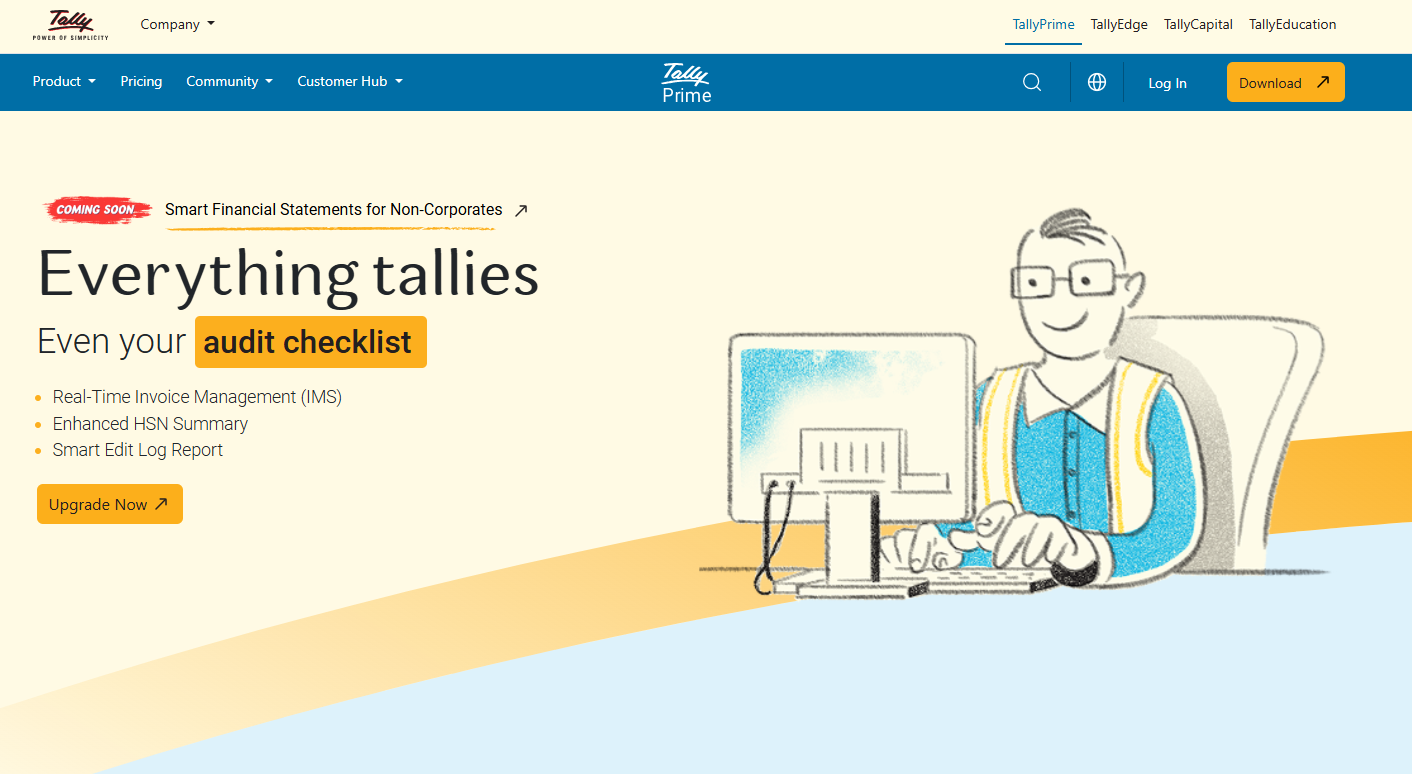
7. TallyPrime
TallyPrime is a popular inventory and accounting software in India that offers simple inventory management tools integrated with its accounting functionalities.
Top Features:
-
Inventory and GST-compliant billing
-
Easy stock management
-
Integrated financial and accounting tools
-
Multi-location support
Pros:
-
Well-known and trusted in India
-
Easy-to-use interface
-
Integrates well with Tally accounting software
-
Affordable for Indian SMBs
Cons:
-
Lacks advanced inventory tracking features
-
Limited scalability for larger businesses
Best Fit For: Indian SMBs that need an all-in-one solution for accounting and inventory.
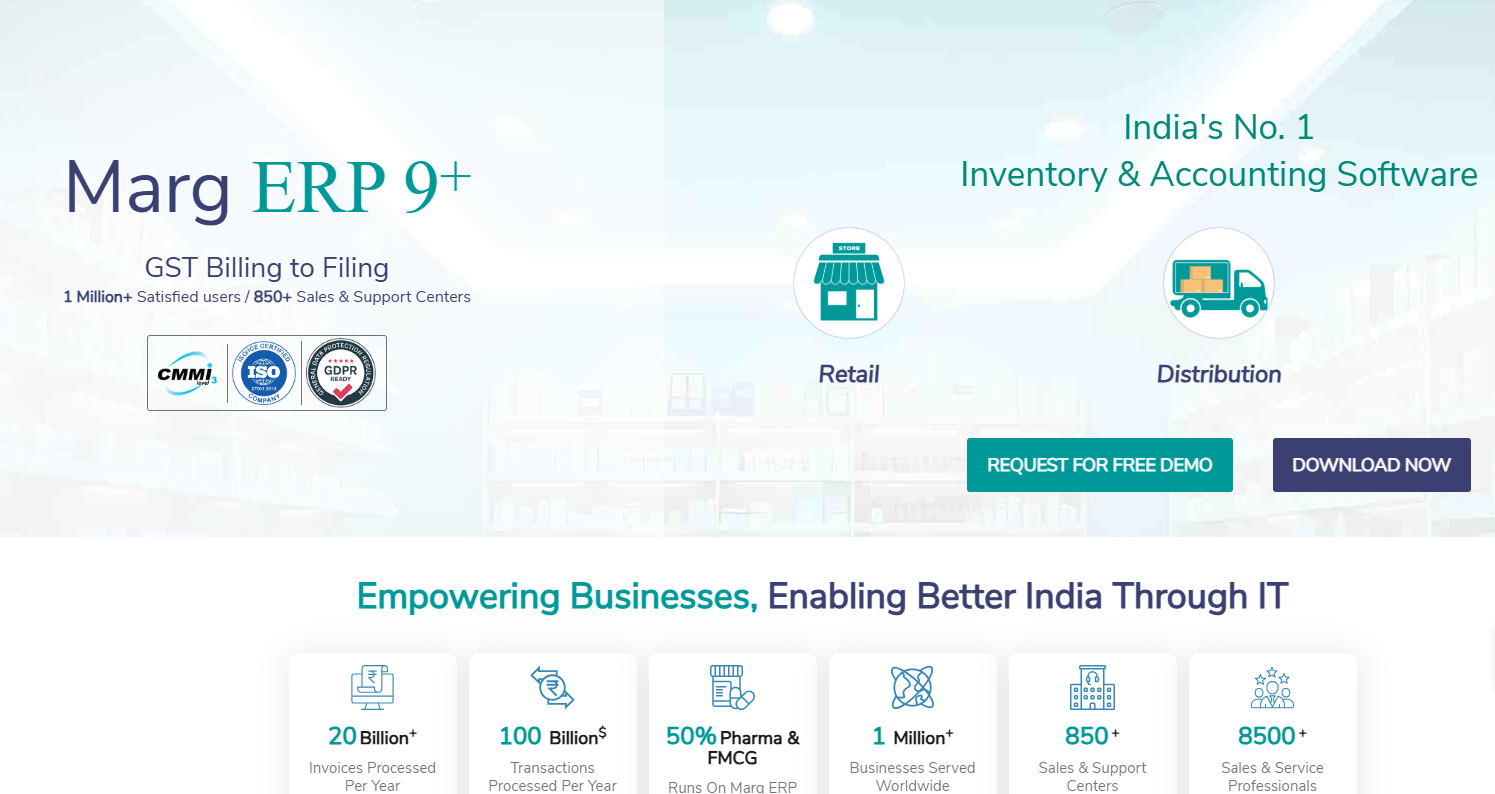
8. Marg ERP
Marg ERP is a comprehensive ERP software that includes inventory management, GST-compliant billing, and accounting tools, widely used in India.
Top Features:
-
GST-compliant billing
-
Inventory and stock management
-
Multi-location and multi-user support
-
Automatic stock valuation
Pros:
-
Popular in the Indian market with strong local support
-
Suitable for small to medium businesses
-
Comprehensive GST features
Cons:
-
Interface is not as modern as some competitors
-
Lacks some advanced automation features
Best Fit For: Indian SMBs, particularly in retail and manufacturing sectors.
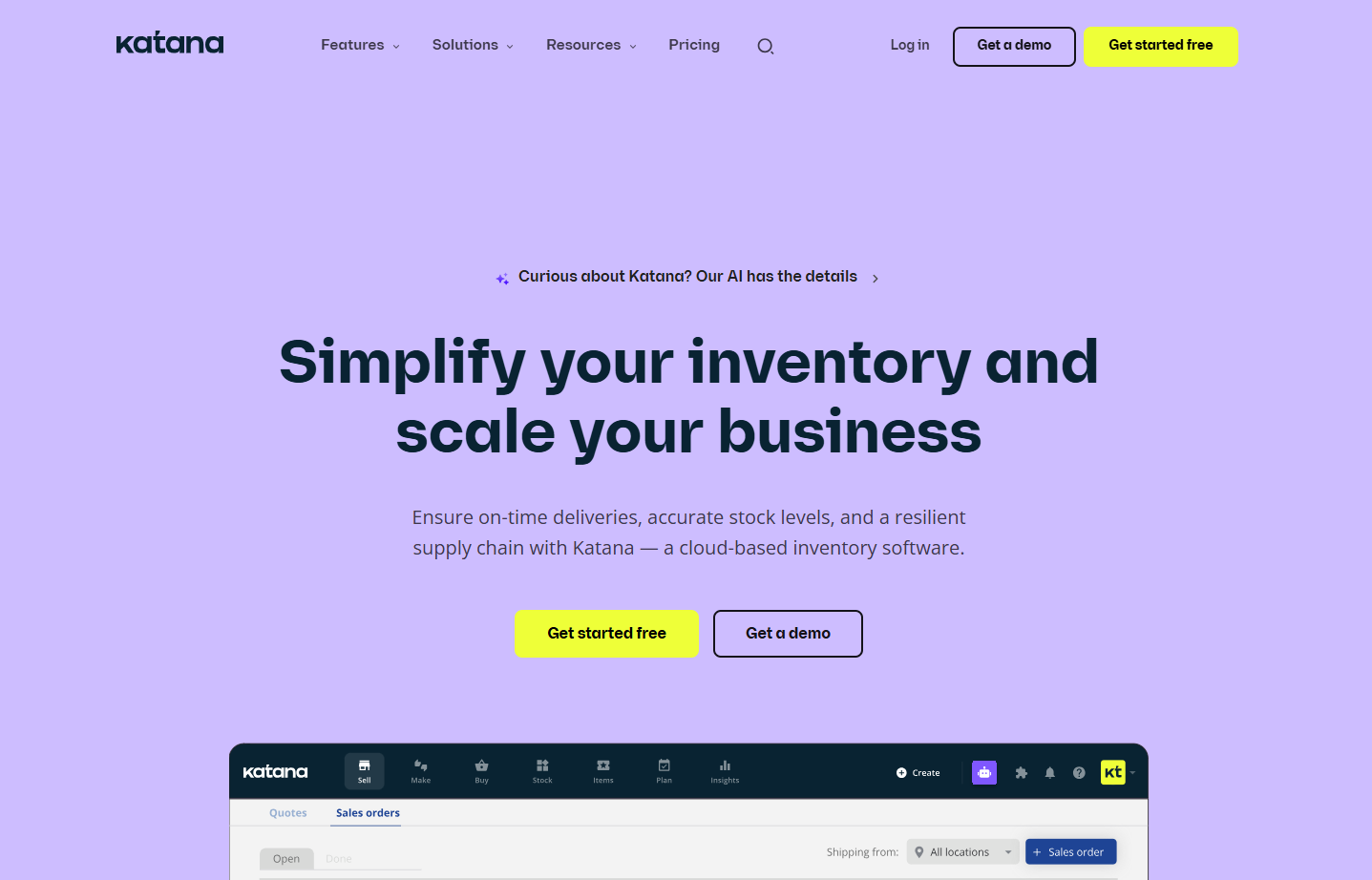
9. Katanacuts
Katanacuts is a flexible cloud-based inventory and order management system, focusing on customization and scalability for small to medium-sized businesses.
Top Features:
-
Customizable workflows
-
Real-time tracking and updates
-
Multi-location support
-
Integration with accounting and ERP systems
Pros:
-
High degree of customization
-
Affordable for SMBs
-
Scalable as your business grows
Cons:
-
Limited third-party integrations
-
Some features may be too basic for large enterprises
Best Fit For: Small to mid-sized businesses needing a customizable inventory system.
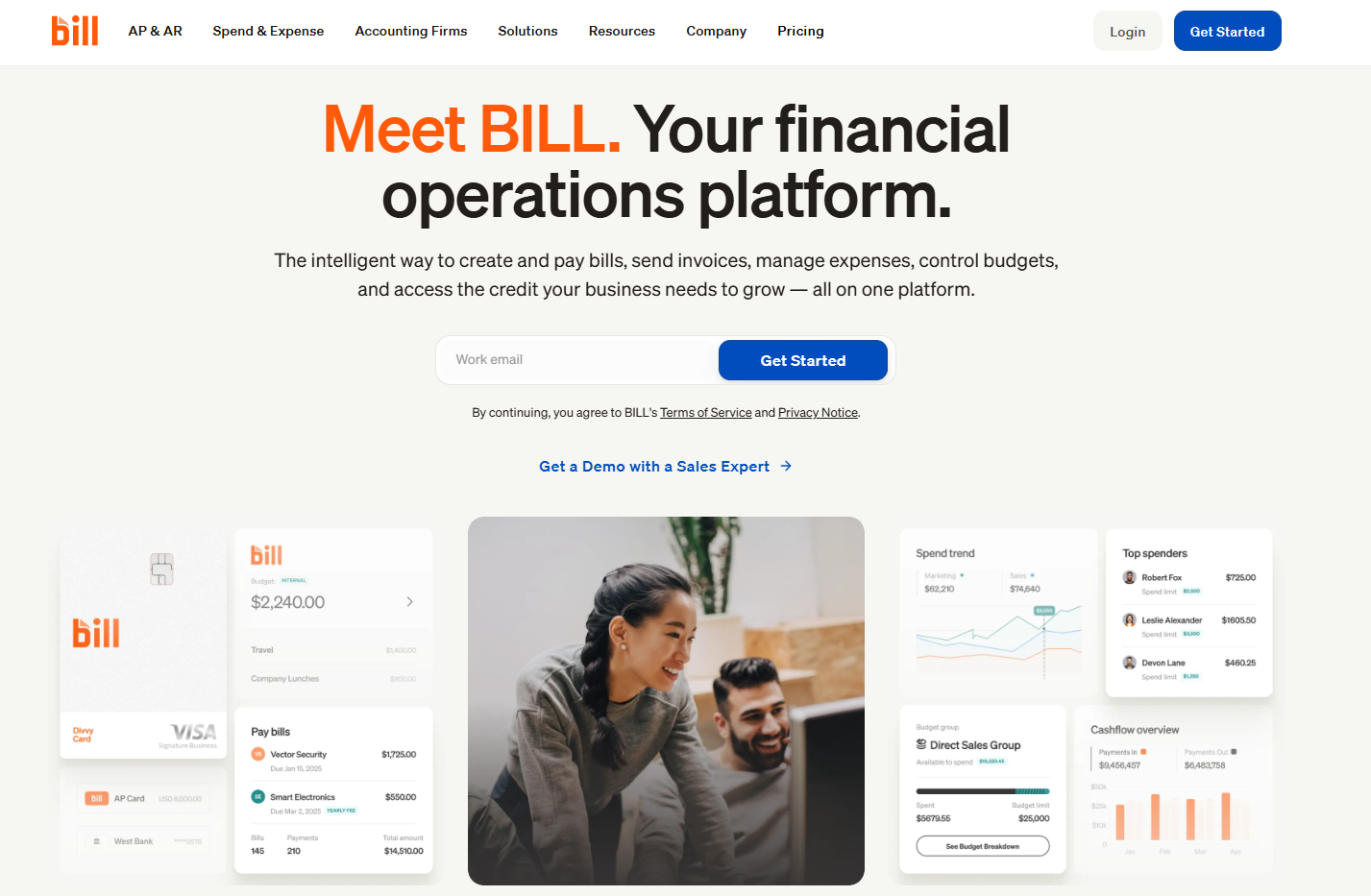
10. BillBooks
BillBooks is an easy-to-use accounting and inventory management software tailored for Indian businesses, offering invoicing, stock management, and reporting features.
Top Features:
-
GST-compliant invoicing
-
Inventory management
-
Expense tracking
-
Mobile app support
Pros:
-
Simple and user-friendly interface
-
Affordable for Indian SMBs
-
Great for managing both accounting and inventory
Cons:
-
Lacks advanced inventory tracking features
-
Limited scalability for larger businesses
Best Fit For: Small Indian businesses looking for an easy-to-use inventory and accounting solution.
11. Optimus
Optimus is a cloud-based inventory management system that specializes in multi-location inventory tracking and supply chain optimization for retail and manufacturing businesses.
Top Features:
-
Multi-location inventory management
-
Real-time tracking and updates
-
Supply chain management tools
-
Analytics and reporting
Pros:
-
Great for businesses with multiple locations
-
Strong supply chain optimization features
-
Scalable as businesses grow
Cons:
-
Higher pricing for smaller businesses
-
Lacks some integrations with third-party systems
Best Fit For: Retailers and manufacturers needing multi-location inventory management.
12. Dear Inventory
Dear Inventory is a cloud-based inventory management system known for its multi-currency and multi-location support, suitable for businesses with a global presence.
Top Features:
-
Multi-location and multi-currency support
-
Advanced inventory tracking
-
Order management and fulfillment
-
Integration with e-commerce and accounting platforms
Pros:
-
Great for global businesses
-
Advanced tracking and reporting tools
-
Easy integration with e-commerce platforms
Cons:
-
Can be expensive for small businesses
-
Lacks some advanced features for larger enterprises
Best Fit For: Global or multi-regional businesses with complex inventory needs.
13. QuickBooks Online
QuickBooks Online offers a cloud-based solution for inventory management, integrated with its accounting software for small businesses.

Top Features:
-
Inventory tracking and updates
-
Integration with QuickBooks accounting
-
Order management
-
Automated stock alerts
Pros:
-
Seamless integration with QuickBooks
-
Simple and easy to use
-
Affordable for small businesses
Cons:
-
Limited features for larger businesses
-
Lacks advanced inventory reporting tools
Best Fit For: Small businesses already using QuickBooks for accounting.
14. Tradepoint
Tradepoint is a specialized inventory management solution for wholesalers and distributors, with features like stock control, order processing, and shipping.
Top Features:
-
Stock control
-
Order processing and shipping
-
Barcode scanning
-
Real-time stock tracking
Pros:
-
Ideal for wholesalers and distributors
-
Easy to implement
-
Excellent support for stock control
Cons:
-
Limited features for other types of businesses
-
Lacks advanced analytics
Best Fit For: Wholesalers and distributors in need of an inventory solution.
15. Syncron
Syncron is a cloud-based inventory optimization software that focuses on predictive analytics and demand forecasting, particularly for the manufacturing and supply chain sectors.

Top Features:
-
Predictive analytics
-
Demand forecasting
-
Supply chain management tools
-
Real-time tracking
Pros:
-
Excellent for supply chain optimization
-
Strong predictive analytics
-
Suitable for large-scale operations
Cons:
-
High cost for small businesses
-
Complex interface for beginners
Best Fit For: Large manufacturers and supply chain operations.
16. JustFood
JustFood is a specialized inventory management system tailored to the food industry, offering tools for traceability and compliance.
Top Features:
-
Traceability and compliance tools
-
Inventory tracking for perishable goods
-
Batch tracking
-
Expiry date management
Pros:
-
Highly specialized for the food industry
-
Strong compliance and traceability features
-
Excellent for managing perishable inventory
Cons:
-
Niche market, not suitable for other industries
-
Lacks general inventory management features
Best Fit For: Food industry businesses requiring traceability and compliance features.
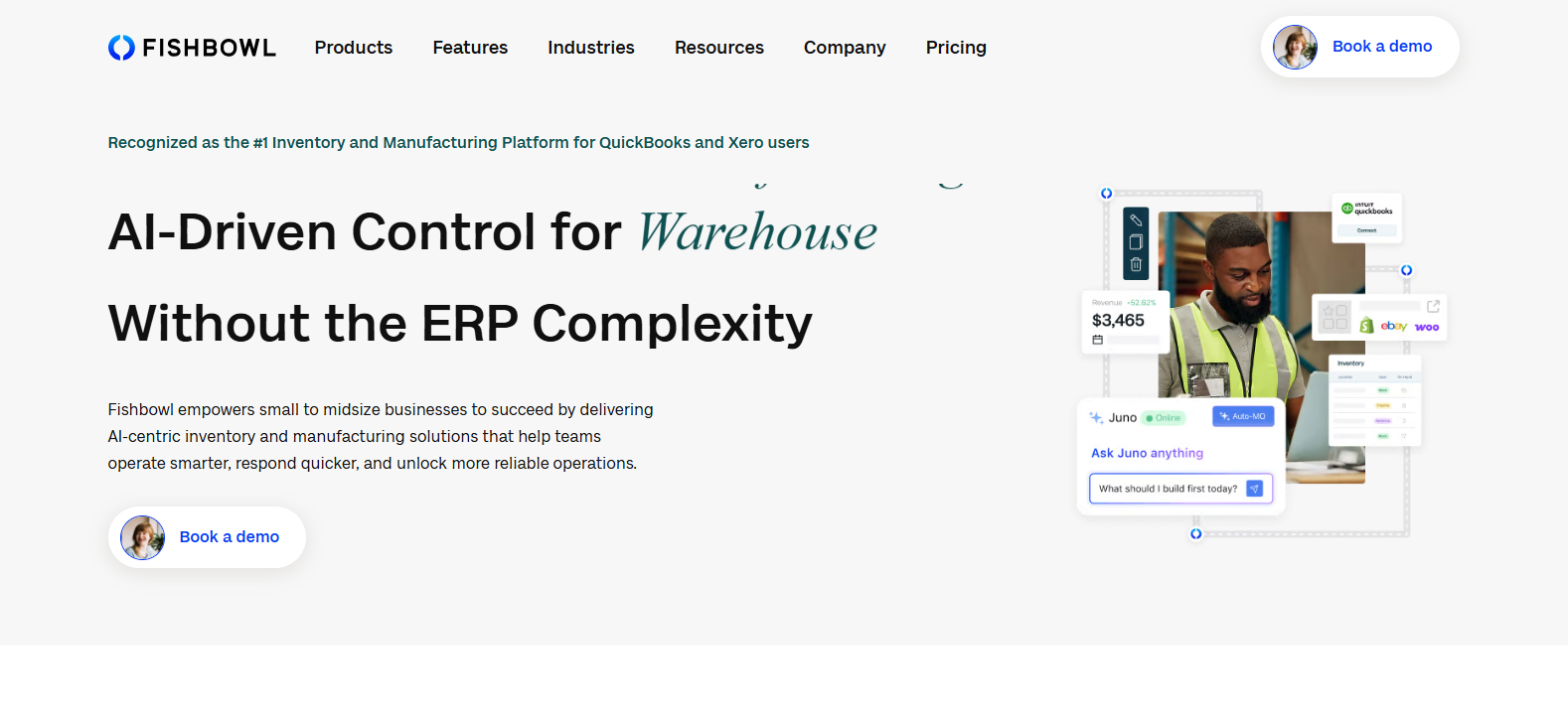
17. Fishbowl
Fishbowl provides advanced inventory management and warehouse solutions with integration to QuickBooks, ideal for businesses that require both inventory control and accounting integration.
Top Features:
-
Inventory control
-
Warehouse management
-
QuickBooks integration
-
Order tracking
Pros:
-
Seamless integration with QuickBooks
-
Excellent for warehouse management
-
Comprehensive features for SMBs
Cons:
-
Higher learning curve for new users
-
Not as feature-rich as some competitors
Best Fit For: Small to medium-sized businesses looking for QuickBooks-integrated inventory management.
18. WMS (Warehouse Management Systems)
WMS are advanced software systems that automate warehouse processes like stock tracking, picking, packing, and order fulfillment.
Top Features:
-
Automation of warehouse processes
-
Real-time tracking
-
Pick-and-pack automation
-
Order fulfillment management
Pros:
-
Great for large warehouses and distribution centers
-
Improves order fulfillment speed and accuracy
-
Scalable for large businesses
Cons:
-
Expensive for small businesses
-
Complex to implement and manage
Best Fit For: Large warehouses and distribution centers.
19. SAP Business One
SAP Business One is a comprehensive ERP system with integrated inventory management features, designed for large businesses and enterprises.

Top Features:
-
Inventory management integration with ERP
-
Supply chain management
-
Real-time reporting
-
Multi-location support
Pros:
-
Ideal for large enterprises
-
Robust ERP integration
-
Excellent reporting tools
Cons:
-
Expensive
-
Overkill for smaller businesses
Best Fit For: Large enterprises in manufacturing, retail, and distribution.
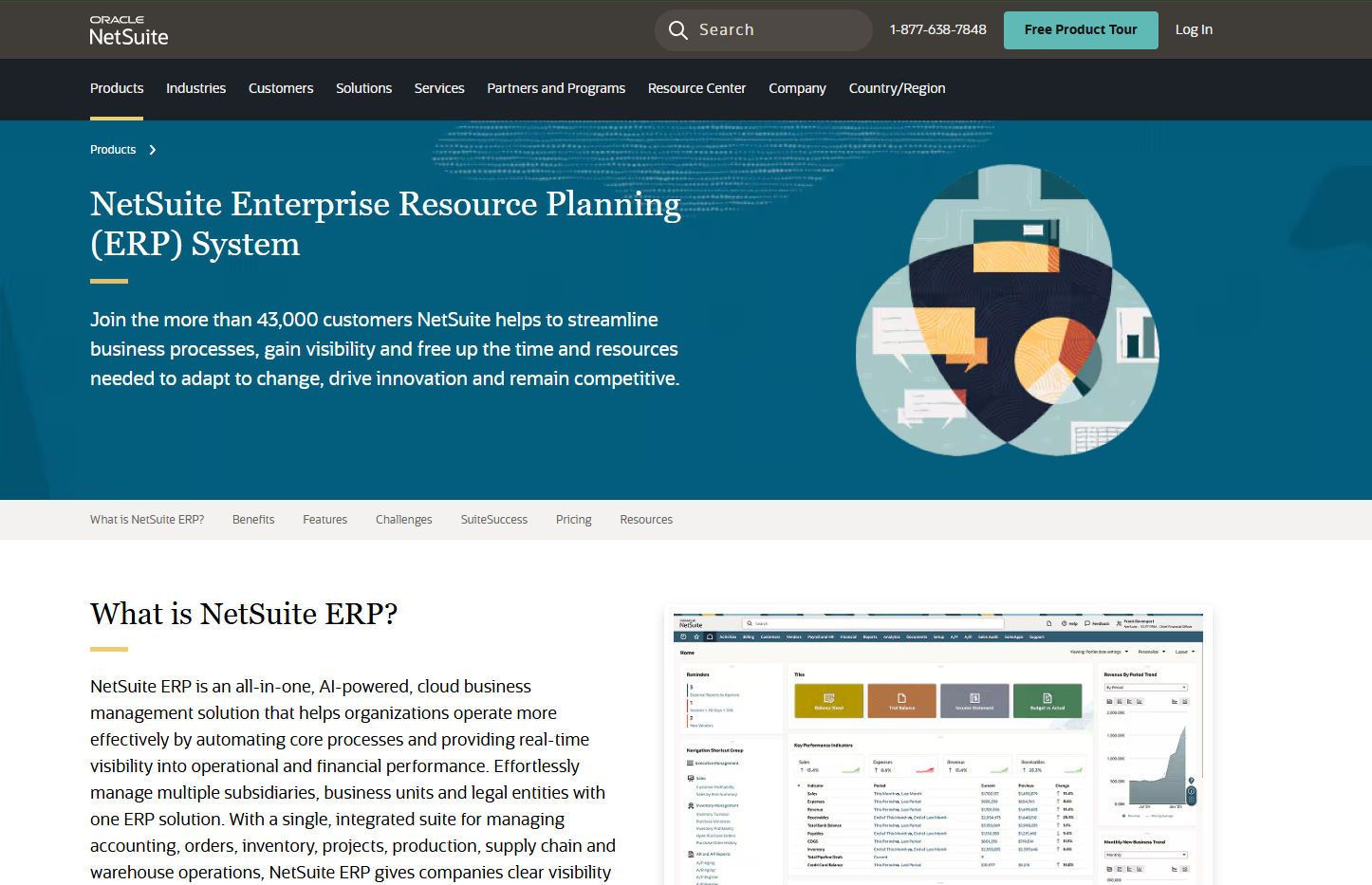
20. NetSuite ERP
NetSuite ERP offers a cloud-based ERP solution with strong inventory management capabilities, designed for medium to large businesses with complex needs.
Top Features:
-
Inventory management integration with ERP
-
Demand forecasting
-
Multi-currency and multi-location support
-
Real-time reporting
Pros:
-
Excellent for large businesses
-
Comprehensive ERP functionality
-
Real-time visibility across operations
Cons:
-
Expensive
-
Complex setup and learning curve
Best Fit For: Medium to large businesses with complex inventory and ERP needs.
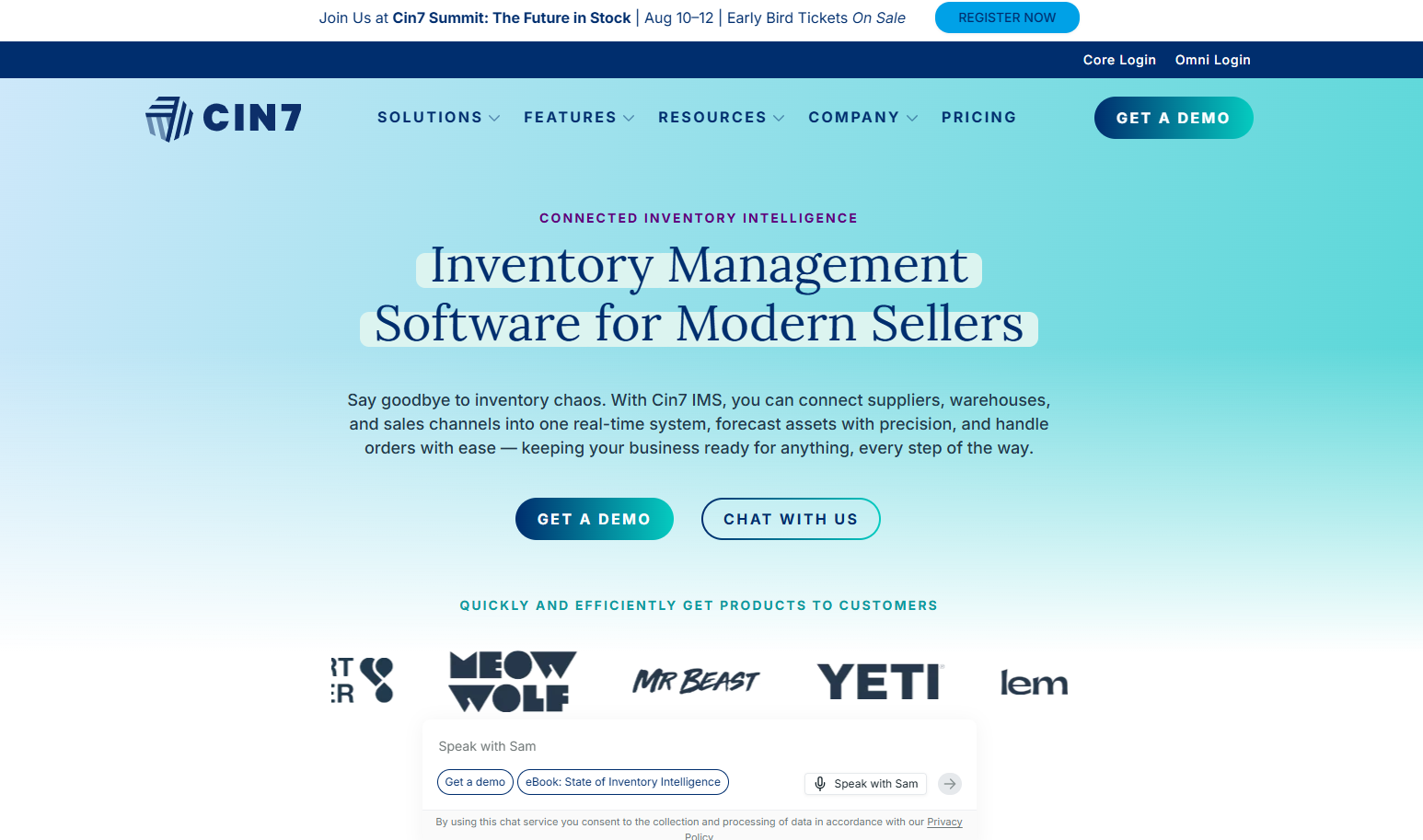
21. Cin7
Cin7 is a cloud-based inventory management system with integrated point-of-sale features, ideal for businesses with multiple sales channels.
Top Features:
-
Multi-channel support
-
Point of sale (POS) integration
-
Real-time inventory tracking
-
Automated stock alerts
Pros:
-
Great for businesses with multiple sales channels
-
Excellent POS integration
-
Easy-to-use interface
Cons:
-
Not as customizable as other systems
-
Higher pricing for smaller businesses
Best Fit For: Multi-channel retailers needing POS and inventory integration.
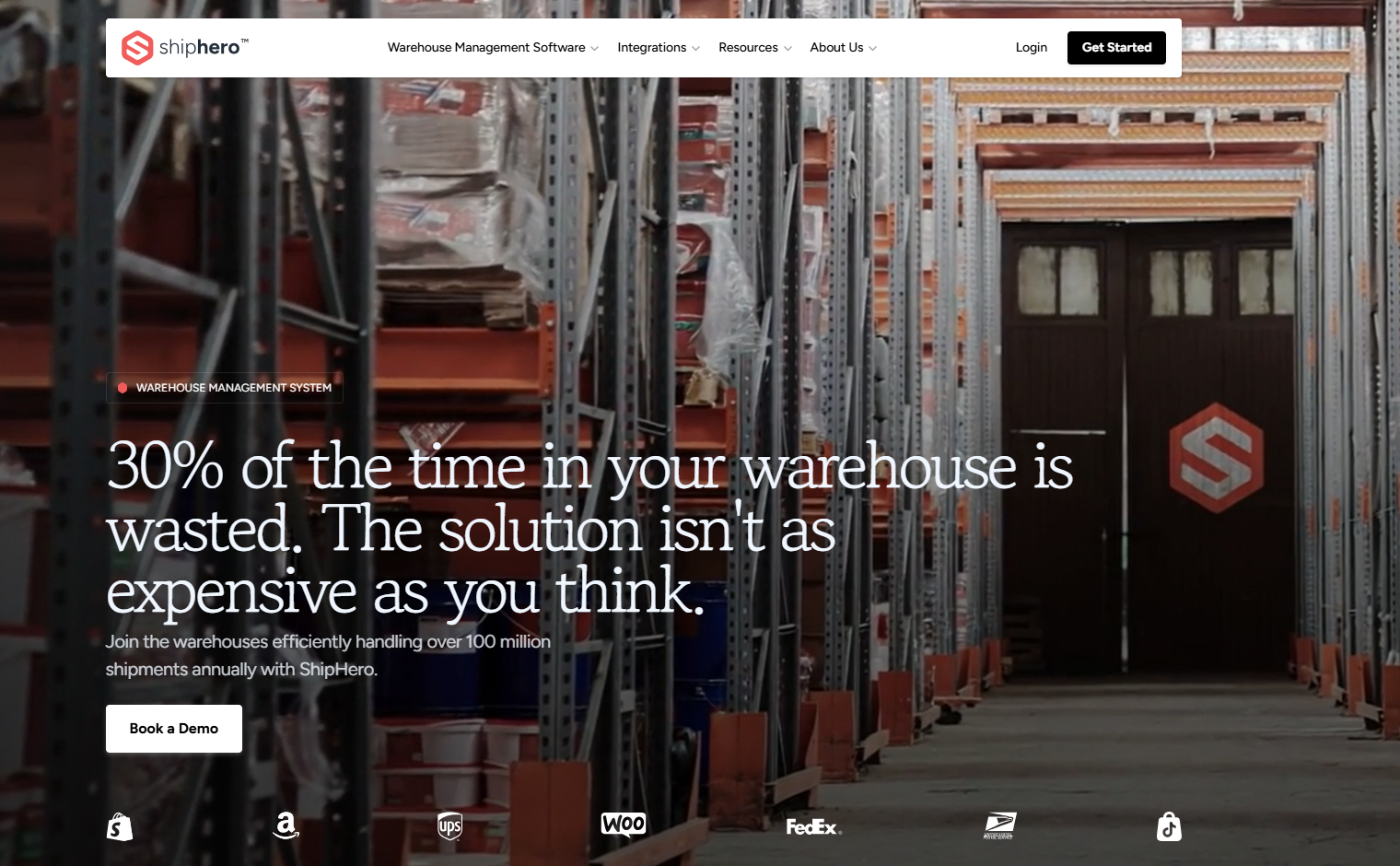
22. ShipHero
ShipHero is a cloud-based inventory management solution for e-commerce retailers, providing order fulfillment, real-time tracking, and shipping management tools.
Top Features:
-
Order fulfillment automation
-
Real-time stock tracking
-
Integration with e-commerce platforms
-
Shipping and tracking management
Pros:
-
Great for e-commerce and retail businesses
-
Easy integration with platforms like Shopify
-
Automates order fulfillment
Cons:
-
Lacks some advanced features for large businesses
-
High cost for small businesses
Best Fit For: E-commerce businesses focused on order fulfillment and shipping automation.
Key Features to Look for in Inventory Management Software
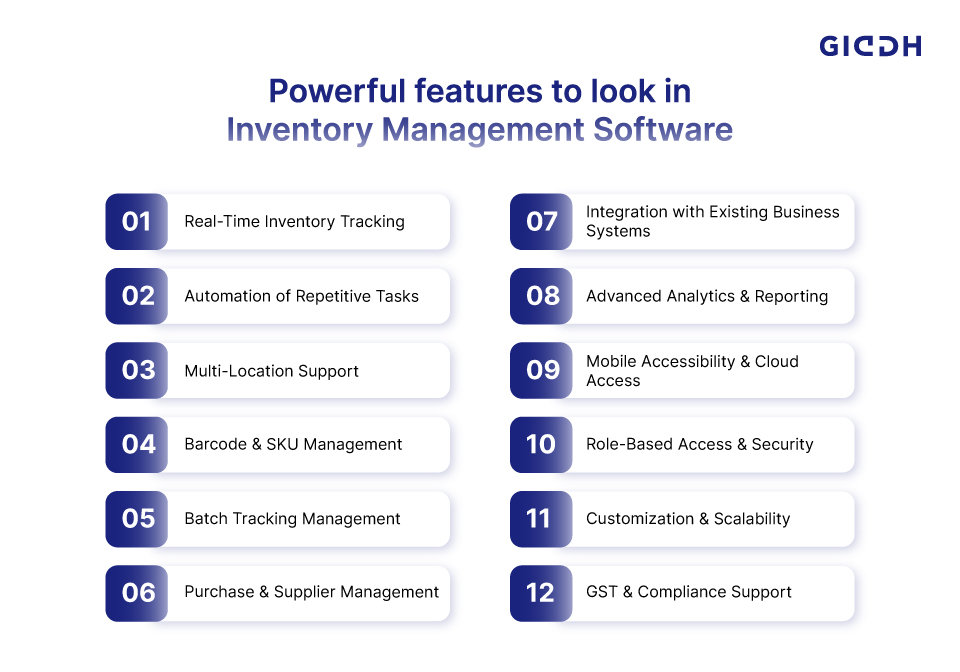
Choosing the right cloud based inventory management software is not just about tracking stock. The best systems act as the operational backbone of your business, helping you automate processes, reduce costs, and scale without chaos.
Below are the must-have inventory management system features every growing business in India should evaluate before investing in a solution.
Inventory Tracking & Real-Time Updates
Real-time visibility is the foundation of any modern inventory management system.
Without it, businesses often face issues like stockouts, delayed orders, and overstocked warehouses.
A good cloud-based inventory management system should allow you to:
-
Track inventory levels across warehouses and stores
-
Monitor stock movements instantly
-
View live stock updates from any device
-
Get real-time dashboards and reports
Because the system is cloud-based, your team can access inventory data from anywhere, whether they are in the warehouse, office, or working remotely.
This dramatically improves decision-making speed and operational efficiency.
Smart Automation & Auto-Replenishment
Manual inventory processes waste time and create costly human errors.
Modern inventory management system features should include automation tools that handle repetitive tasks automatically.
Look for features such as:
-
Automatic stock level alerts
-
Low inventory notifications
-
Auto purchase order generation
-
Automated stock adjustments
-
Scheduled inventory reports
Automation ensures that your business never runs out of high-demand products, while also preventing unnecessary overstocking.
For growing companies, this can save hundreds of operational hours every year.
Multi-Warehouse & Multi-Location Management
Many Indian businesses manage inventory across multiple warehouses, retail outlets, or fulfillment centers.
A good system should allow you to:
-
Track stock across multiple locations
-
Transfer inventory between warehouses
-
Manage store-level inventory visibility
-
Monitor location-based stock performance
This is especially critical for eCommerce brands, retailers, distributors, and manufacturers scaling their operations.
Barcode & SKU Management
Barcode and SKU tracking drastically improves inventory accuracy and speed.
Instead of manual entries, your staff can scan products to instantly update inventory levels.
Important capabilities include:
-
Barcode scanning
-
SKU generation and management
-
Batch tracking
-
Serial number tracking
These features reduce errors and make warehouse operations significantly faster.
Batch Tracking & Expiry Management
For industries like pharmaceuticals, FMCG, food, and cosmetics, batch tracking is essential.
A strong inventory system should help businesses:
-
Track inventory batches
-
Monitor manufacturing and expiry dates
-
Recall specific batches if needed
-
Reduce losses due to expired products
This feature is particularly important for businesses dealing with regulated or perishable goods.
Purchase Order & Supplier Management
Inventory systems should simplify the entire procurement process, not just stock tracking.
Look for tools that support:
-
Purchase order creation
-
Supplier management
-
Vendor performance tracking
-
Purchase history reports
-
Cost comparison across suppliers
This helps businesses maintain strong supplier relationships while controlling procurement costs.
Integration with Existing Business Systems
A major challenge businesses face is software fragmentation.
Your cloud based inventory management system should integrate seamlessly with the tools you already use.
Important integrations include:
-
POS systems
-
Accounting software
-
ERP platforms
-
eCommerce platforms (Amazon, Flipkart, Shopify, etc.)
-
Payment gateways
When systems are connected, your business benefits from:
-
Unified financial reporting
-
Automated order processing
-
Accurate inventory synchronization
This eliminates data silos and ensures smooth operations across departments.
Advanced Analytics & Reporting
Data-driven insights are what separate average inventory systems from great ones.
Look for software that provides:
-
Inventory turnover reports
-
Dead stock analysis
-
Sales forecasting
-
Demand trends
-
Purchase and supplier reports
These insights help businesses:
-
Reduce inventory holding costs
-
Optimize stock levels
-
Improve demand forecasting
Over time, this can significantly improve profit margins and operational efficiency.
Mobile Accessibility & Cloud Access
Modern businesses need flexibility.
A cloud based inventory management system should allow users to:
-
Access inventory from mobile devices
-
Monitor stock levels remotely
-
Approve purchase orders on the go
-
View reports anytime
This ensures real-time operational control even outside the office.
Role-Based Access & Security
As teams grow, access control becomes critical.
Your system should allow:
-
Role-based permissions
-
Secure login protocols
-
Audit logs for inventory changes
-
Controlled access to financial and inventory data
This protects sensitive business information while maintaining accountability within teams.
Customization & Scalability
Every business has different operational needs.
A good inventory platform should be flexible enough to support:
-
Custom workflows
-
Industry-specific processes
-
Additional warehouses or products
-
Increasing order volumes
This ensures the system can grow alongside your business without needing constant replacements.
GST & Compliance Support (Important for India)
For businesses operating in India, compliance is crucial.
The software should support:
-
GST-compliant invoicing
-
Tax reports
-
Audit-ready documentation
-
Accounting integration
This simplifies financial compliance while ensuring accurate tax reporting.
Conclusion
Adopting cloud-based inventory management software offers numerous benefits that can transform your business operations. With real-time tracking, you gain visibility into your stock levels, ensuring you never face stockouts or overstocking issues again.
Accounting automation features allow you to streamline manual processes, saving valuable time and reducing human error. The scalability of cloud-based solutions ensures that your inventory system grows with your business, adapting to changing demands and expanding operations seamlessly.
Among the many options available, Giddh stands out as the best choice for Indian businesses. It offers a user-friendly interface, affordable pricing, and powerful features like multi-location support, integration with accounting tools, and real-time tracking. Giddh simplifies inventory management for SMBs, making it easy to scale and optimize inventory processes efficiently.
Don't let inventory mismanagement hold your business back. Request a free demo of Giddh’s cloud-based inventory management software today and watch your operations become more efficient, accurate, and scalable.
FAQ Section
1 What are the main benefits of cloud-based inventory management?
Cloud-based inventory management software provides real-time tracking, scalability, and automation that allows businesses to manage inventory across multiple locations with ease. It eliminates manual tracking errors, ensures better stock visibility, and improves overall efficiency.
2 How much does inventory management software cost in India?
The cost of inventory management software in India varies depending on the features and scale of your business. Most systems offer subscription-based pricing, with costs ranging from ₹2,000 to ₹20,000 per month. Investing in the right software can help businesses reduce inventory errors and optimize operations, ultimately saving money in the long run.
3 What features should I look for in an inventory management system?
When choosing an inventory management system, key features to look for include:
-
Multi-location tracking
-
Automation (reordering, stock alerts)
-
Integration with accounting and POS systems
-
Scalability to grow with your business
These features will ensure your business runs smoothly and efficiently as it grows.
4 How can Giddh help my business with inventory management?
Giddh offers a cloud-based inventory management system that provides real-time tracking, automation, and multi-location support. It integrates seamlessly with accounting tools like Tally, simplifying your entire process. Additionally, Giddh’s customer support ensures a smooth setup and continuous support to keep your business running without hiccups.
 Download
  Download