Everything You Need to Know About Closing Financial Books

Businesses face more challenges than ever when it comes to keeping their financial records organized. According to a recent survey, more than 30% of small businesses make errors in their year-end financials, resulting in costly discrepancies.
A simple misstep in closing your financial books can result in significant financial reporting errors that could affect taxes, decision-making, and business planning. That’s why it's crucial to get your financial management books in order before you close out the year.
But where should you begin? Let's outline the essential steps to ensure your financial year-end process runs smoothly.
Resolve All Invoice Issues
Invoices represent an essential part of your financial records, yet businesses often overlook them when preparing for year-end closing. Unresolved invoicing issues—whether they are unpaid invoices or mismatches in invoice amounts—can lead to major discrepancies in your financial books. These errors can ripple through your entire accounting system, affecting your revenue and expenses.
Invoicing is a very important part of the business, and records must be maintained properly. It is therefore necessary to resolve all invoicing issues before closing the financial books. This is because a single slip in invoice counting can cause a serious blunder for the business.
Steps to Resolve Invoice Issues:
-
Reconcile all unpaid invoices: Ensure all issued invoices are either paid or marked as unpaid, with proper records for bad debts.
-
Confirm invoice amounts: Double-check that the amounts and due dates match the actual transactions to avoid errors during reconciliation.
-
Use financial management software: Tools like financial management software can automate invoice tracking, making it easier to see where things stand.
By resolving all invoicing issues before closing the year, you will have a more accurate picture of your income, which will directly affect your financial reports.
Write Off Bad Debts
Writing off the bad debts is also necessary because unless the bad debts are not written off, the financial books cannot be closed.
One of the biggest challenges businesses face when closing their financial books is dealing with bad debts. If debts are not written off, they can artificially inflate your company’s earnings, leading to inaccurate financial statements.
How to Manage Bad Debts:
-
Identify unpaid accounts: Review your accounts receivable and identify debts that are unlikely to be collected.
-
Write off uncollectible debts: Use accounting principles to write off bad debts properly, ensuring that your financial statements reflect only collectable amounts.
-
Use financial management information systems: Tools like financial management information systems can help track and manage bad debts efficiently, keeping your records clean and accurate.
Bad debt management can make or break the accuracy of your financial reports at the end of the year, so it’s essential to deal with it ahead of time.
Reconcile Prepaid & Outstanding Expenses
It has been widely observed that most mishaps in the business are caused by the lack of an accurate record of the total income and expenses for the current financial year. Hence, at the very least, if the prepaid and outstanding expenses are handled properly, then the mishaps can be abridged to a large extent.
Tracking prepaid and outstanding expenses is often overlooked but crucial for accurate year-end accounting. If expenses are not properly tracked and reconciled, your financial books will show an incomplete picture of the business’s financial health.
Steps for Managing Expenses:
-
Review prepaid expenses: Ensure they are properly recorded in the correct period.
-
Reconcile outstanding expenses: Review any expenses due to be paid after year-end and ensure they are accounted for.
-
Use financial planning software: It enables businesses to accurately track prepaid and outstanding expenses, reducing errors during year-end closing.
By bank reconciling prepaid and outstanding expenses, you ensure that all financial activities are properly documented, leaving no room for error.
Settle Supplier Accounts and Bills
It is not only essential to take care of the suppliers, but it is also essential to manage their bills as well, so that the existing suppliers remain satisfied and are always in proper terms with the business.
Your supplier relationships and their bills need to be managed properly to avoid year-end disputes and inaccuracies in your financial books. Unsettled bills or incomplete supplier accounts can affect your financial reporting and lead to unnecessary stress.
Steps to Ensure All Supplier Bills Are Settled:
-
Review all supplier accounts: Ensure all bills have been paid or payment schedules are set up for any outstanding invoices.
-
Reconcile supplier accounts: Match supplier invoices with the goods or services provided to ensure accurate records.
-
Use financial planning & analysis software: Financial planning & analysis software can help you track supplier payments and avoid any unpaid or incorrectly recorded bills.
Accurate supplier accounts are essential to keep your books in order, as they directly affect your liability and operating costs.
Analyze Your Financial Statements
Getting acquainted with comparative and common-size statements is sometimes just not enough. Comparison and on-time analysis of such statements are therefore significant and of great value to the trade.
Analyzing your financial statements before closing the books helps you identify discrepancies early. This is the time to compare your current year’s performance with previous years, identify trends, and assess whether your financial goals were met.
Steps for Financial Statement Analysis:
-
Compare income and expenses: Look at your profit and loss statement to ensure your revenue and expenses match what was actually earned and spent.
-
Analyze balance sheet figures: Review assets, liabilities, and equity to verify that they are correctly valued.
-
Use financial management software: Leverage tools like financial management books to assist with analyzing and reviewing financial statements quickly and accurately.
This step can identify potential issues to address before finalizing your financial books for the year.
Why Giddh is the Right Tool for Closing Your Financial Books
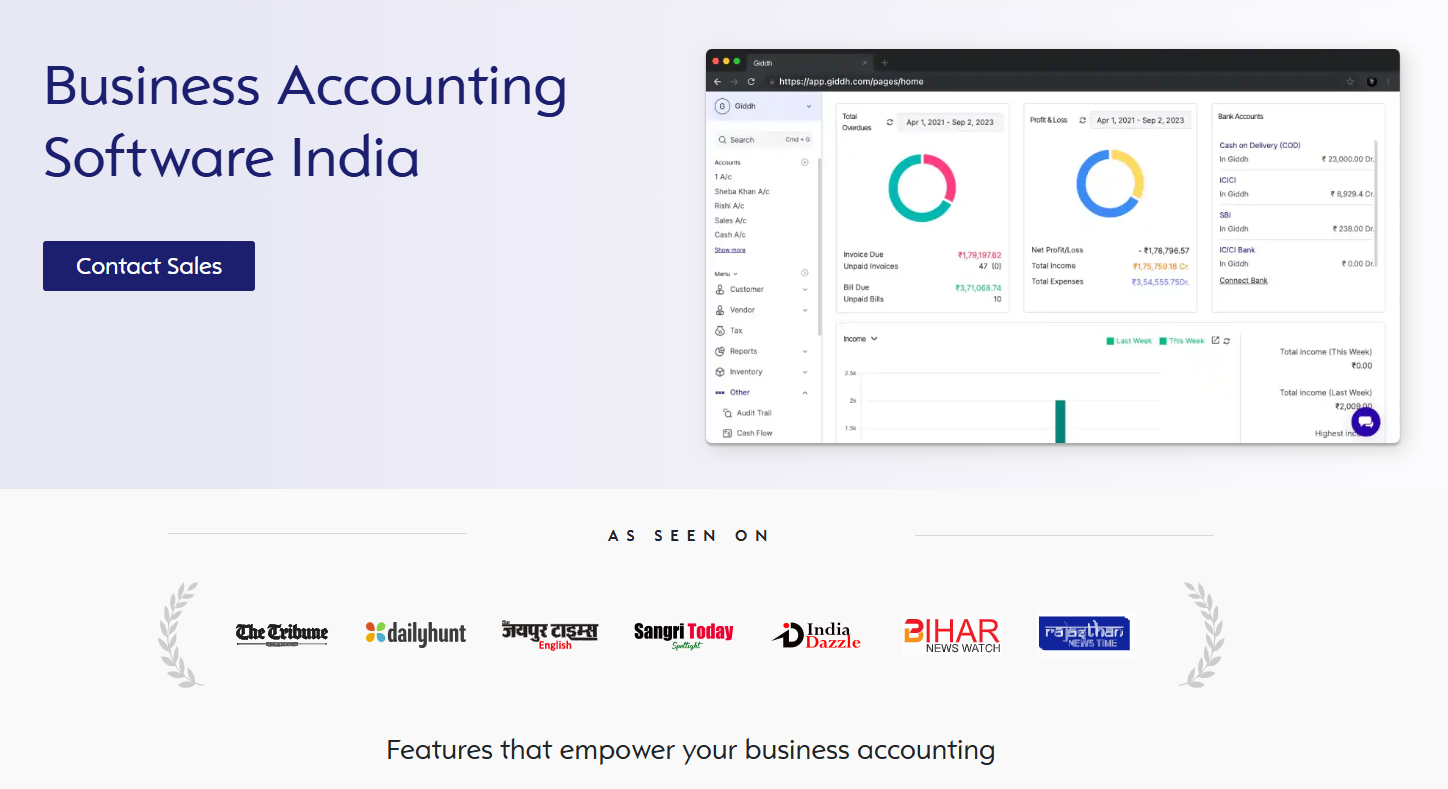
Closing your financial books is easier when you use the right tools. Giddh is financial management software designed to streamline year-end processes for businesses. It simplifies invoice tracking, bad-debt management, supplier payments, and financial analysis, ensuring all your records are accurate and up to date.
Key Features of Giddh:
-
Real-time tracking: Track transactions as they happen, ensuring no entries are missed.
-
Cloud-based accessibility: Access your financial data from anywhere, allowing for remote and efficient management.
-
Integration with other tools: Giddh integrates with financial planning software, enabling easier tracking of expenses and revenue across platforms.
By using Giddh, businesses can avoid common year-end mistakes and close their books with confidence.
Conclusion
As you approach the end of the financial year, taking proactive steps to close your books accurately is essential to avoid errors and set a strong foundation for next year. Resolving invoice issues, writing off bad debts, reconciling prepaid and outstanding expenses, and settling supplier accounts are all vital steps.
Moreover, tools like Giddh can streamline these tasks, helping you manage your financial books with ease and efficiency.
If you haven’t already, complete these key tasks before closing your books, and consider using financial management software like Giddh to streamline the process.
FAQ
Why is it important to write off bad debts before closing my financial books?
Writing off bad debts ensures that your financial statements reflect an accurate picture of your company’s finances. Without writing off uncollectible debts, your income will be overstated, leading to misleading financial reports.
How can financial planning software help me with my year-end financial tasks?
Financial planning software helps you track prepaid and outstanding expenses, reconcile accounts, and prepare your books for the year-end closure. It streamlines the process, reducing the chances of errors and saving time.
What are some common mistakes businesses make when closing their financial books?
Common mistakes include failing to reconcile unpaid invoices, overlooking supplier invoices, or failing to properly account for prepaid expenses. These errors can lead to inaccurate financial statements that could affect decision-making and tax filings.
Can Giddh help me with managing my supplier accounts?
Yes, Giddh offers comprehensive tools for managing supplier accounts, tracking payments, and reconciling invoices, ensuring your supplier accounts are settled accurately before you close your financial books.
 Download
  Download