Cloud vs. Desktop Accounting: Reasons to Choose SaaS Accounting Software
In recent years, businesses have faced a critical choice: stick with traditional desktop accounting software or embrace the flexibility and scalability of cloud-based solutions. According to a recent Business report, more than 60% of small- to medium-sized businesses have already switched to cloud-based accounting software, citing ease of access and cost savings as theprimary reasons. But why are businesses moving away from desktop accounting software, and is cloud accounting the better option for your company?
As businesses scale, the need for efficient, scalable accounting systems becomes even more critical. Traditional desktop accounting programs often limit accessibility, pose risks of data loss, and incur high upfront costs.
On the other hand, SaaS accounting software offers flexibility, real-time data access, and automatic updates, making it an appealing alternative.
In this article, we explore why cloud accounting solutions, like Giddh’s SaaS platform, are revolutionizing the way businesses manage their finances.
SaaS Accounting Software vs. Desktop Accounting Software
When evaluating whether to stick with desktop accounting software or move to a cloud-based SaaS solution, it's important to understand the core differences and limitations of each option.
Desktop Accounting Software
-
Limited Accessibility: Desktop accounting software is often limited to the computer on which it's installed, making it difficult for business owners and employees to access financial data remotely.
-
High Upfront Costs: Desktop programs usually require a significant upfront investment, with additional costs for updates and licenses.
-
Data Security Risks: Because data is stored locally, there's a risk of loss due to hardware malfunctions, theft, or events such as fires or floods.
-
Manual Updates: Software updates and version upgrades must be handled manually, which creates the risk of outdated features and security vulnerabilities.
SaaS Accounting Software
-
Access Anywhere, Anytime: Cloud-based accounting solutions provide the flexibility to access data from any device with an internet connection, whether it's a computer, tablet, or smartphone.
-
Lower Costs: SaaS platforms typically operate on a subscription basis, reducing upfront costs and including software updates in the plan.
-
Improved Security: Cloud providers often employ advanced encryption and security controls to protect data, with automated backups to prevent data loss.
-
Real-Time Updates: SaaS accounting systems automatically update, ensuring you're always working with the latest features and security enhancements.
As companies seek more efficient, secure, and cost-effective accounting solutions, SaaS accounting software has become the clear choice for many.
Key Differences Between SaaS and Desktop Accounting Software
In this section, we break down the key differences between SaaS accounting software and traditional desktop programs, helping you make a more informed decision for your business needs.
Cost and Maintenance
-
Desktop Accounting: Requires an upfront purchase, ongoing maintenance, and additional costs for software upgrades and patches.
-
SaaS Accounting: Typically offered on a subscription basis, reducing the initial investment and including updates and maintenance as part of the plan.
Key Benefit: SaaS accounting software is more budget-friendly, especially for small and medium-sized businesses.
Scalability
-
Desktop Accounting: Scaling typically requires purchasing additional licenses or software.
-
SaaS Accounting: Easily scalable, allowing you to add or remove features as your business grows.
Key Benefit: SaaS solutions grow with your business without high extra costs or hassles.
Data Storage and Security
-
Desktop Accounting: Data is stored on your device and could be lost due to hardware failure or theft.
-
SaaS Accounting: Data is stored securely in the cloud with frequent backups and encryption to protect against breaches.
Key Benefit: SaaS accounting offers enhanced security and protection from data loss.
Collaboration and Accessibility
-
Desktop Accounting: Limited to the machine it's installed on, restricting collaboration.
-
SaaS Accounting: Offers multi-user accounting access, enabling collaboration among team members regardless of their location.
Key Benefit: SaaS accounting solutions increase collaboration and flexibility.
Comparison Table Between Saas Accounting Software And Desktop Accounting Software
Feature | SaaS Accounting Software | Desktop Accounting Software |
|---|---|---|
Accessibility | Access from any device with an internet connection | Limited to the computer where it's installed |
Cost Structure | Subscription-based with lower upfront cost | High initial cost with additional license fees |
Security | Cloud storage with encryption and backups | Higher risk of loss due to device failure |
Updates | Automatic updates | Manual updates required |
Scalability | Easily scalable with users and features | Requires additional licenses or upgrades |
Data Backup | Automatic cloud backups | Manual backups required |
User-Friendliness | Intuitive and easy to use | Often complex and technical |
Collaboration | Real-time multi-user collaboration | Limited collaboration |
Integration | Integrates with cloud platforms | Limited integration options |
Maintenance | Managed by service provider | Requires IT support and maintenance |
Reasons Why Cloud Accounting Software is the Best Option
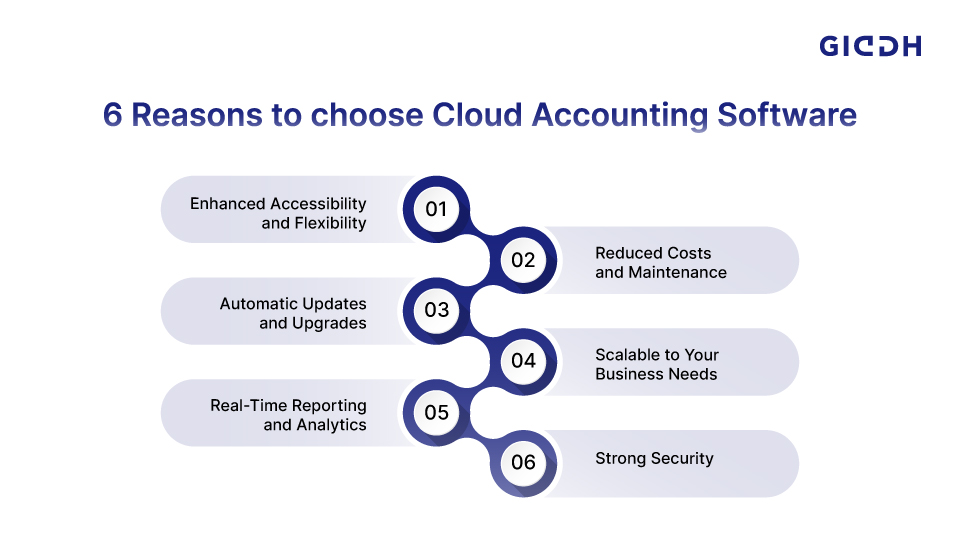
The transition to SaaS accounting software has become more than a trend; it is a fundamental shift in how businesses manage their finances.
Here’s why cloud accounting software, like Giddh, is quickly becoming the preferred option:
Enhanced Accessibility and Flexibility
Cloud accounting allows business owners and employees to access financial data from anywhere, whether at the office, at home, or on the go. This 24/7 access is particularly valuable for businesses with remote teams or multiple locations. The ability to log in from any device ensures business owners and managers always have real-time access to their financial data.
Reduced Costs and Maintenance
Unlike desktop accounting software, which often comes with steep upfront costs, SaaS accounting solutions are offered on a subscription basis, making them more affordable. There’s no need to worry about purchasing additional licenses or updates. Software and maintenance are included, allowing businesses to focus on growth rather than on IT management.
Automatic Updates and Upgrades
SaaS accounting software is always up-to-date. Automatic updates ensure that your software includes the latest features and security patches. This eliminates the need to manually install updates and ensures your software remains secure and functional, minimizing downtime and inefficiencies.
Scalable to Your Business Needs
As your business grows, your accounting needs will evolve. SaaS accounting software is designed to scale with you. Whether you’re a small business or a growing enterprise, you can easily adjust your plan to include more users or advanced features as needed. This scalability makes cloud accounting an ideal solution for businesses of all sizes.
Real-Time Reporting and Analytics
Many cloud accounting systems come with built-in reporting and analytics tools that give you valuable insights into your business’s financial health. With features like automatic invoicing, expense tracking, and customizable reports, you can make more informed decisions and keep your financials on track.
Strong Security
Cloud accounting solutions are backed by robust security protocols, including encryption and two-factor authentication. Your data is regularly backed up and stored in secure data centers, making it much safer than relying on local storage or hard drives.
Join the Cloud with Giddh’s Modern Accounting Software
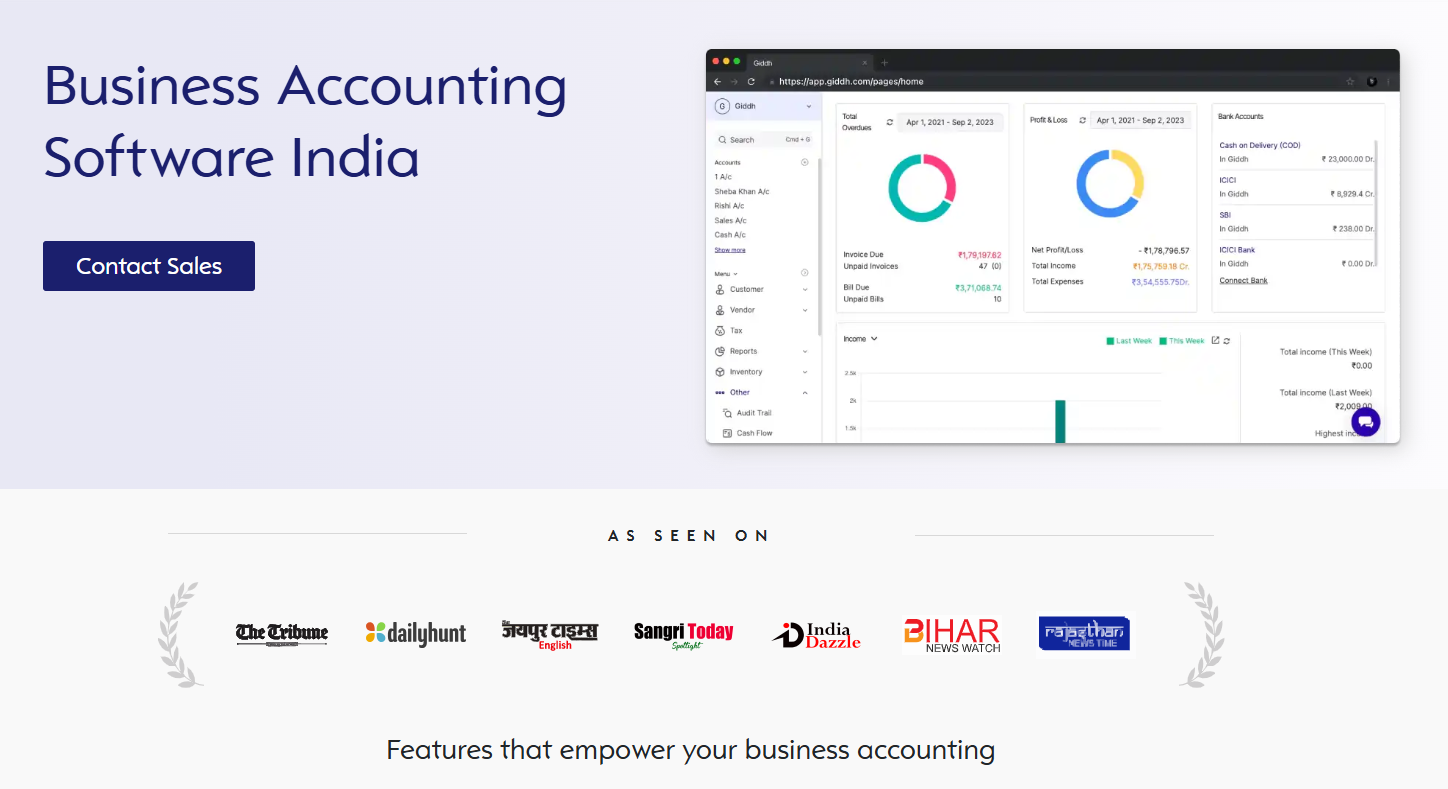
Giddh stands out as a top-tier SaaS accounting software provider, offering businesses the tools they need to streamline their financial processes. Whether you’re managing expenses, invoicing clients, or tracking revenue, Giddh’s intuitive interface and powerful features can help you take control of your business’s finances.
Why Choose Giddh?
-
No Installation Required: Simply sign up and start managing your accounts from any device with internet access.
-
User-Friendly: Designed for business owners without an accounting background, Giddh’s interface is intuitive and easy to navigate.
-
Seamless Integration: Giddh integrates with multiple payment platforms, streamlining invoicing and payments.
-
Cost-Effective: Giddh offers competitive pricing, making it one of the most affordable accounting software solutions for small businesses.
-
24/7 Support: Giddh provides round-the-clock customer support, ensuring you always have help when you need it.
By choosing Giddh, you’re opting for a comprehensive accounting system that adapts to your business’s needs, allowing you to focus on what matters most—growing your business.
Conclusion
Switching from traditional desktop accounting software to cloud-based SaaS solutions offers businesses the opportunity to improve accessibility, security, and scalability while reducing costs. Giddh, a leading SaaS accounting system, empowers businesses with a flexible, easy-to-use platform that is always up to date and accessible anywhere.
For small and medium-sized enterprises, choosing the best SaaS accounting software is a smart investment that simplifies financial management, enables real-time reporting, and eliminates the headaches of outdated desktop systems.
Whether you’re looking for a simple solution to track your expenses or a comprehensive platform for invoicing, budgeting, and forecasting, Giddh offers everything you need to modernize your accounting.
FAQs
Q1: What is SaaS accounting software?
A: SaaS accounting software is a cloud-based solution that enables businesses to manage their accounting tasks online. It provides real-time data access, enhanced security, automatic updates, and scalability, making it an ideal choice for businesses looking for efficient financial management.
Q2: Which accounting software is best for small businesses?
A: For small businesses, SaaS accounting systems like Giddh offer an intuitive, low-cost, and flexible solution. With features such as easy invoicing, real-time reporting, and cloud access, they help small business owners efficiently manage finances without significant upfront investments.
Q3: Is cloud accounting more secure than desktop accounting?
A: Yes, cloud accounting software provides superior security compared to desktop accounting programs. Cloud platforms employ advanced encryption, frequent backups, and other robust security measures to safeguard your financial data against threats such as hardware failure, theft, or accidental loss.
Q4: How does SaaS accounting software improve business operations?
A: SaaS accounting software streamlines and automates essential accounting processes such as invoicing, expense tracking, and financial reporting. It provides real-time insights into business performance, simplifies cross-team collaboration, and enhances decision-making by providing access to accurate, up-to-date financial data.
 Download
  Download