Automate Fixed Asset Management & Depreciation Effortlessly
Managing a company’s fixed assets can be a daunting task, especially for CFOs and finance teams in mid-sized to large enterprises. According to a Deloitte report, 60% of finance leaders report struggling with errors in their accounting processes, particularly in asset management.
Manual asset tracking, from acquisition to disposal, combined with complex depreciation calculations, can lead to costly errors, time-consuming processes, and compliance risks.
Are you facing similar challenges? As a CFO or finance manager, you’re likely familiar with the impact these inefficiencies can have on your bottom line, including inaccurate reporting, audit risks, and mounting overhead costs.
But what if you could eliminate manual errors and streamline the entire asset management process? This is where automated fixed asset management comes in, offering a modern solution to traditional pain points.
What is Fixed Asset Management and Why Is It Important?
Fixed asset management refers to the process of systematically tracking, managing, and accounting for a company’s physical assets, such as machinery, equipment, and property, throughout their lifecycle—from acquisition to disposal. This includes monitoring the asset’s location, condition, depreciation, and value to ensure accurate financial reporting.
Why Is Fixed Asset Management Crucial for Large Enterprises?
For businesses managing a large portfolio of assets, tracking each asset’s life cycle is critical. Accurate fixed asset management ensures compliance with accounting standards (such as GAAP or IFRS) and helps avoid costly errors. Inaccurate asset management can lead to:
-
Non-compliance with financial reporting standards
-
Increased risk of tax discrepancies
-
Asset misplacement or theft
-
Inaccurate financial reporting, leading to costly audits and penalties
What is fixed asset management? It's the foundation for ensuring your company's assets are properly valued and reported.
The Pain of Manual Depreciation Calculations
Challenges of Manual Depreciation
Manual depreciation calculations are often one of the most error-prone aspects of fixed asset management. When handled manually, the process can lead to significant errors in depreciation rates, tax filings, and financial reporting. Incorrect asset depreciation can directly affect the company’s profits, taxes, and overall financial position.
Time and Resource Drain
Manual tracking of fixed assets and calculating their depreciation consumes significant time and resources. For finance teams already juggling various responsibilities, this manual process slows down operations and diverts attention away from more strategic tasks.
Impact on Financial Reporting
Inaccurate asset depreciation can directly affect your financial statements, distorting the profit and loss statement. This can lead to misrepresentation of your company’s value and cause problems during audits. Inaccurate financial reporting can also jeopardize regulatory compliance, triggering audits and penalties.
How Automated Fixed Asset Management Solves These Problems
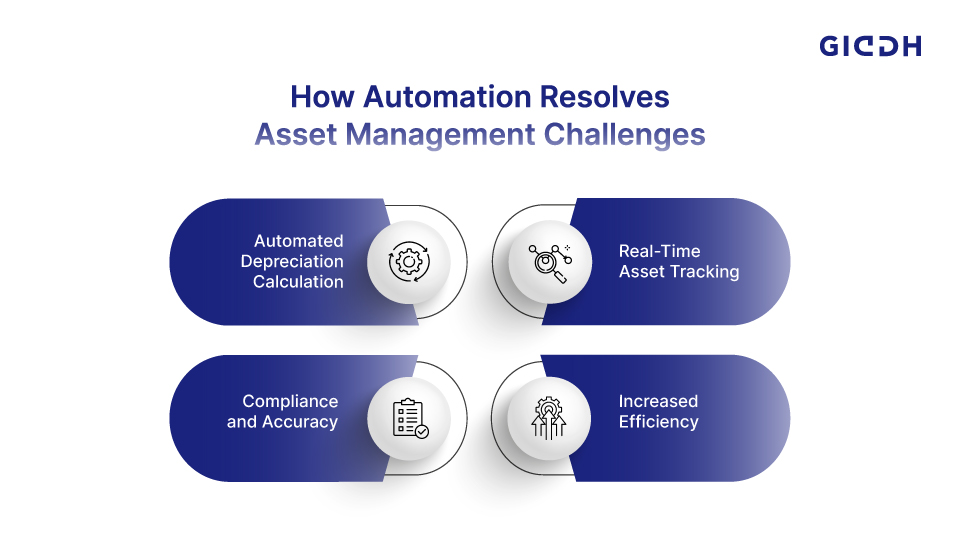
Automated Depreciation Calculation
By adopting an automated fixed asset management system, depreciation calculations can be performed in real time in accordance with predefined rules, including GAAP or IFRS requirements. This not only ensures accuracy but also saves time by eliminating manual entry and the risk of calculation errors.
Key benefits include:
-
Elimination of human errors
-
Adherence to accounting standards
-
Real-time accuracy in depreciation calculations
Real-Time Asset Tracking
With automated asset management software, asset tracking becomes more efficient. You can track the real-time status, location, and value of assets across your company. This visibility enables CFOs and finance teams to make informed decisions, reduce the risk of misplacement, and optimize asset utilization.
Compliance and Accuracy
Automation ensures your fixed asset management remains compliant with regulatory standards. Whether for tax purposes, audits, or internal financial reporting, automation tracks depreciation, adjustments, and disposals with minimal effort and maximum accuracy.
Increased Efficiency
By automating fixed asset management, your finance team can shift its focus from time-consuming manual tasks to more strategic initiatives. This leads to increased productivity, reduced overhead, and faster decision-making.
Why You Need Fixed Asset Management Software
Streamline Asset Management
Investing in robust fixed asset management software will streamline the process, from asset tracking to depreciation calculations. This allows CFOs and finance managers to maintain better control over their asset base, ensuring accuracy, compliance, and improved financial reporting.
Key features of fixed asset management software include:
-
Automated depreciation calculations
-
Real-time asset tracking
-
Seamless integration with ERP and accounting systems
-
Reporting and auditing tools
Choosing the Best Fixed Asset Management Software
Choosing the right software is critical for ensuring that your asset management process is both efficient and compliant. It’s important to evaluate solutions based on:
-
User interface and ease of use
-
Customization to meet specific business needs
-
Compliance with international and local standards
-
Integration with existing financial systems
When evaluating fixed asset management software in India, ensure it offers features such as multi-currency support, GST compliance, and the ability to meet local regulatory requirements.
How Giddh’s Fixed Asset Management Solution Can Help
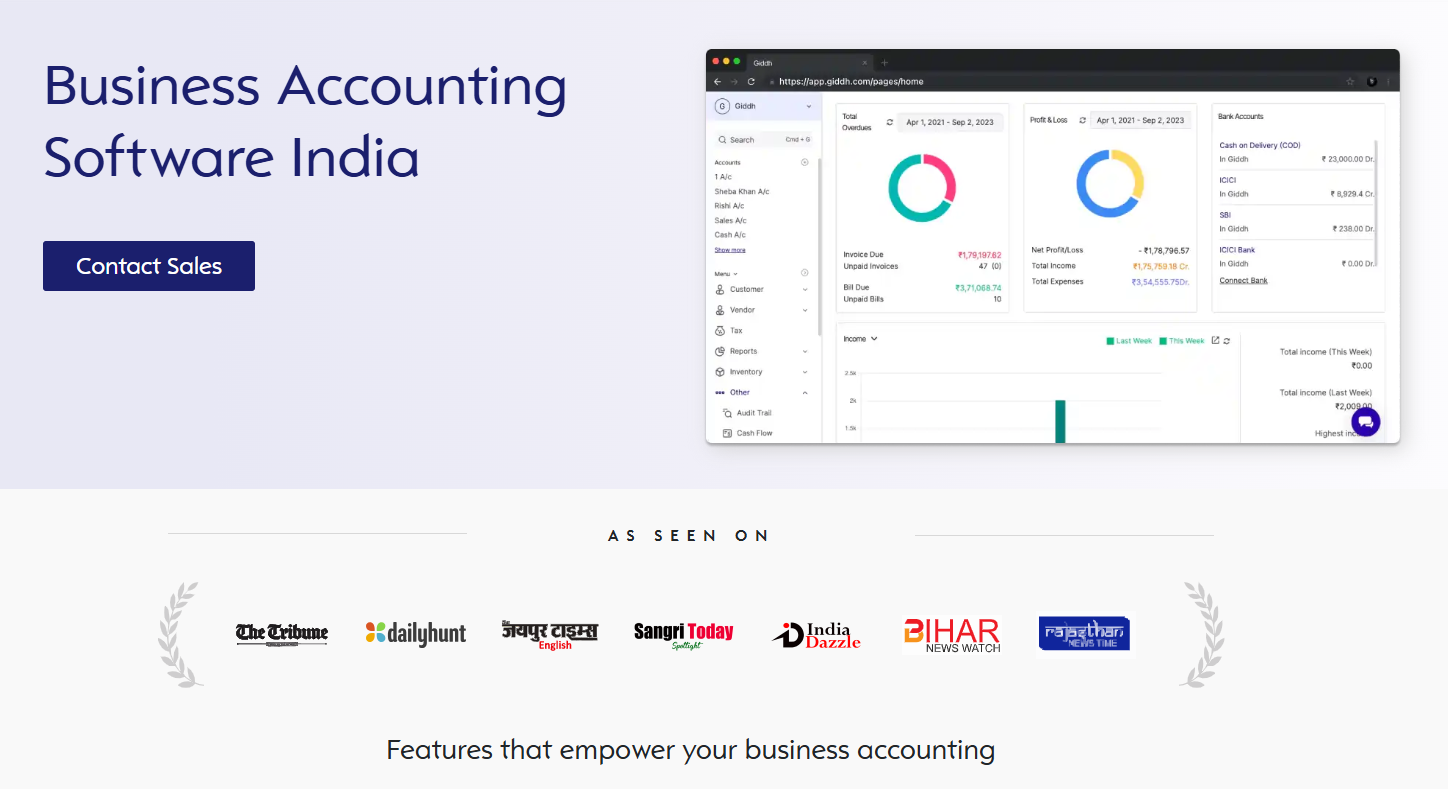
Giddh’s automated fixed asset management software is designed to simplify the management of your company’s physical assets, ensuring accurate depreciation, real-time tracking, and full compliance with accounting standards like GAAP and IFRS.
It’s a comprehensive solution that helps businesses efficiently manage their assets throughout their lifecycle, from acquisition to disposal, while minimizing errors and improving overall efficiency.
By integrating Giddh’s fixed asset management software into your existing systems, you’ll gain a streamlined view of asset performance, ensuring accurate financial reporting and reducing the risks associated with manual asset tracking and depreciation calculations.
The platform’s intuitive interface ensures quick adoption among your team, reducing the learning curve and empowering users to manage assets effectively.
Key Features of Giddh’s Solution
Giddh’s fixed asset management solution offers a comprehensive set of features designed to meet the needs of businesses managing a large asset base. Below are some key features:
Automated Depreciation Calculations
-
Giddh’s system automatically calculates depreciation in accordance with predefined accounting standards, including GAAP and IFRS.
-
Benefits: Ensures accuracy and eliminates the risks of manual errors in depreciation calculations, improving the reliability of your financial reports.
Real-Time Tracking of Asset Performance and Lifecycle
-
Track the status, location, and value of each asset in real-time, enabling you to manage your entire asset portfolio efficiently.
-
Benefits: Provides complete visibility into asset performance, enabling better decision-making on maintenance, disposal, or upgrades.
Seamless Integration with Accounting and ERP Systems
-
Giddh integrates seamlessly with your existing ERP and accounting systems, allowing data synchronization across platforms.
-
Benefits: Reduces duplicate data entry and ensures asset management information is always up-to-date and accurate.
User-Friendly Interface
-
The platform is designed for simplicity, making it easy for your team to navigate and manage assets without extensive training.
-
Benefits: Faster adoption and reduced operational friction, leading to increased productivity across your finance and accounting teams.
Additional Features of Giddh’s Comprehensive Solution
Giddh offers several additional features that make it the ideal choice for businesses looking to manage fixed assets effectively and efficiently. These include:
Inventory Management
-
Giddh lets you efficiently manage both tangible and intangible assets in your inventory.
-
Benefits: Ensure that your inventory is always up to date, with accurate asset tracking, and optimized stock management.
Bank Reconciliation
-
Automate bank reconciliation to match your company’s bank records with the internal accounts.
-
Benefits: Reduces the time spent on reconciling accounts and ensures financial accuracy and compliance.
Invoice Management
-
Giddh’s software helps automate invoice creation, processing, and tracking.
-
Benefits: Simplifies invoice tracking and ensures proper accounting for all your business transactions.
GST Compliance
-
The platform is built with GST compliance in mind, ensuring your business remains aligned with Indian tax regulations.
-
Benefits: Streamline tax-related tasks and avoid penalties by ensuring that your financials adhere to the latest GST laws.
Multi-Currency Support
-
Giddh offers multi-currency support, enabling businesses to manage assets across borders with ease.
-
Benefits: Provides the flexibility to manage international assets and make transactions in different currencies without manual conversion.
White-Label Option
-
The platform offers a white-label option, allowing businesses to customize and brand the software with their own identity.
-
Benefits: Create a cohesive brand experience for your team and clients, reflecting your company’s unique look and feel.
Unlimited User Access
-
Giddh provides unlimited user access, enabling your team to manage fixed assets collaboratively, with role-based permissions for security and flexibility.
-
Benefits: More people can contribute to managing the assets, improving workflow and productivity.
Manage Over 100 Companies
-
Giddh’s software can handle data for over 100 companies simultaneously, making it ideal for large enterprises with multiple subsidiaries or business units.
-
Benefits: Allows you to scale your asset management system efficiently as your business grows.
Ledger-Based Accounting
-
Giddh uses ledger-based accounting, making it easy to track your company’s financial records and integrate with other accounting tools.
-
Benefits: Offers a more organized way to manage accounts, helping you stay on top of assets, liabilities, and financial reporting.

Conclusion: The Future of Asset Management
In today’s fast-paced business environment, automating fixed asset management has become a necessity for companies managing large asset portfolios. By adopting an automated solution, you can reduce errors, increase compliance, and boost overall efficiency.
Automation ensures accurate depreciation calculations, real-time asset tracking, and improved financial reporting.
If you’re ready to optimize your asset management process and reduce manual errors, request a demo of Giddh’s solution today.
FAQ
1. What is fixed asset management?
Fixed asset management involves tracking, managing, and accounting for a company’s physical assets over their lifecycle—from acquisition to disposal. It ensures proper valuation, depreciation, and compliance with financial standards.
2. How does automated fixed asset management help businesses?
Automated fixed asset management streamlines the tracking, depreciation, and reporting processes. It eliminates manual errors, ensures compliance with accounting standards, and saves time by automating calculations and real-time asset tracking.
3. What are the benefits of using fixed asset management software?
Fixed asset management software offers benefits like automated depreciation calculations, real-time asset tracking, compliance with accounting standards, and seamless integration with other financial systems. It helps businesses optimize asset management, reduce errors, and improve overall financial reporting.
4. Why should I choose Giddh for fixed asset management?
Giddh offers an automated solution that simplifies fixed asset management, including real-time tracking, accurate depreciation calculations, and compliance with international accounting standards. It integrates seamlessly with your ERP and accounting systems, ensuring efficient asset management.
 Download
  Download